Friday, March 30, 2012

10 Ways to Save on Pet Care

According to a recent article in USA Today, Americans spent approximately $50.8 billion on their pets last year, up from $10.1 billion just four years earlier. That's a lot of money for Max or Fluffy, but still nothing compared to the unconditional love they shell out for you every day.As the proud owner of two Labrador-Australian Shepard mixes, I'm no stranger to the rising cost of pet care. In addition to frequent exercise and annual check-ups, my husband and I save hundreds of dollars on pet care by adopting the following savvy strategies.  

1. Create an Emergency Fund

 There are at least nine reasons for an emergency fund, according to Kiplinger, including the ability to offset a costly vet bill should your beloved animal need expensive treatment. When my dogs were just 12 months old, one choked the other during aggressive play and -- $1,700 later -- we had a very tired but recovering puppy. Our savings account kept this traumatic experience from creating a financial hardship.

 2. Don't Skimp on Food

Food is likely the most expensive necessity next to vet visits, but that doesn't mean you should opt for low price over quality. By purchasing healthy food, you're enhancing your pet's quality of life and ultimately saving yourself from costly vet bills down the road. Purchase discount gift cards to PetSmart and other stores from sites like GiftCardGranny.com to nab some savings. 

3. Consider Pet Insurance

If you're the type of pet owner who will spare no expense for veterinary care, consider signing up for pet insurance. The number of pet insurance carriers has increased significantly from just ten years ago, and most offer several levels of coverage. Visit PetInsuranceComparison.org for information on available policies, reviews and questions to ask providers.

 4. Take Advantage of Clinics

 Some veterinary practices offer free clinics one or two times a year, waiving appointment fees that compound the cost of annual visits. My husband and I always schedule check-ups and vaccinations during these times. If your vet doesn't offer this service, check with your local Humane Society or animal-control unit for recommendations.

 5. Research Your Options

When facing a hefty vet bill, you might assume your only option is to throw down a credit card and pay off the expense over time. However, there are other sources for financial aid, including state programs and breed-specific organizations. Consult this article from the Humane Society for more information.

 6. Buy Discount

I shop discount retailers like TJMaxx and Ross for clothes and housewares, and always peruse their pet-care aisles for deals. I've found great pet beds, bowls and toys for much less than pet-store prices, though I avoid treats and food items since I'm not familiar with the brands. Ultimately, new pet owners can score serious savings by stocking up on discount supplies. 

7. Be Loyal

PetSmart and PetCo each have free loyalty programs that offer discounts and, in the case of PetCo, 5-percent cash back on purchases. You should also sign up to receive email notifications about upcoming sales and exclusive discounts, and stock up during these specials to tide you over until the next promotion. 

8. Order Meds Online

Most pet owners know medications purchased directly from the vet come with a hefty price tag. Unless it's an emergency, request the prescription information and shop online at sites like 1800PetMeds.com. I save 34 percent on our dogs' heart worm medication by ordering online and using the generic alternative. 

9. Fix for Less

Neutering or spaying your pet is crucial to avoiding the exponential expense of caring for a litter down the road. The average cost of the service from your local vet is between $200 and $300, but many organizations offer this service for less to curb the number of homeless animals. Consult ASPCA's Low Cost Spay/Neuter Programs page to find a provider near you.

 10. DIY

Though I wouldn't attempt to clean a cat's teeth, there are several services you can administer at home to save money. Brushing, ear cleaning and nail clipping are just a few necessities you can likely handle without the assistance of a professional. In fact, your vet will happily share with you the best techniques for at-home care, as they'd much prefer to spend time on more specialized services.

10 Ways to Save on Pet Care is a guest article by Kendal Perez.

Kendal Perez is a frugal fashionista and bargain shopper who helps fellow shopaholics find hassle-free ways to save money. As the marketing coordinator for Kinoli Inc., she has the resources to be an extreme couponer but prefers a less complicated approach to staying in-budget. Kendal has been quoted in such media outlets as CNN Money, FOX, ABC, NPR, TIME Moneyland and Kiplinger Personal Finance. For savings tips and more information, visit HassleFreeSavings.com.

For all media inquiries, please contact Kendal Perez at 970-672-1136 or email kendal@hasslefreesavings.com


Technorati Tags:

Continue Reading...

Tuesday, March 27, 2012

The Ultimate Guide to Grooming your Labrador

Regular grooming of your Labrador is not only vital for his health and hygiene; it can also help improve the bond you share with him. Grooming also provides you with the perfect opportunity to employ regular checks to ensure your dog’s health is in good order.

During spring and fall a black Labrador sheds hair and to prevent your floors from looking like a hairdresser’s you will need to know how to combat this shedding (below).How often your Labrador sheds depends on its breed and, as you may know, a black Labrador has two shedding seasons. However, a yellow Labrador continuously sheds its fur throughout the course of the year, but at a slower rate.

Shedding Control

The process below should be repeated weekly until you’re certain the majority of your dog’s fur has been removed. Once this has been completed you need to employ maintenance techniques that will prevent you from bathing your dog again and assist in the distribution of the fur’s natural oils.

1. In a warm bath ensure your dog is completely wet from head to tail. You may use a cup or sprayer to do so.

2. Massage your Labrador’s coast using either your fingers or a grooming tool. This will loosen any dry skin and dead hair – using a tool can assist in working the entire length of your dog’s coat including the root area.

3. Rinse your dog whilst continuing to massage him.

4. To dry your dog use a hairdryer on a warm or medium setting and work the coat in the opposite direction of the hair growth.

Tip: Using a bristle brush will remove dead and dry skin or hair whist helping to distribute natural oils - keeping your dog’s coat looking shiny and healthy.

Dog Grooming: Maintenance

Eyes – Clean if needed with a cotton wool bud that has been coated with saline. For those who have noticed stains around your Labrador’s eyes, don’t fret this is normal and is caused by your dog’s tears.

Ears – Clean the visible areas of your dog’s ear with cotton wool or cotton swabs that have been doused with ear cleaner.

Nails – Occasionally your dog’s nails will need to be trimmed. It’s imperative that you have your vet carry out this procedure as improper clipping can cause pain and be the catalyst for health problems.

Teeth – You should brush your dog’s teeth daily using a soft toothbrush and paste. Lift your dog’s lips gently and brush the outer surface. It’s known that dental plaque can find its way into your dog’s bloodstream and to his heart, which can cause heart disease. If your dog has a build up of plaque, it’s time to take a trip to the vets to have it removed properly.

Pest control – If necessary apply a pest control product that covers ticks, fleas and worms.

Routine Checks

When inspecting your dog you need to look out for anything that appears to be abnormal including lumps, dry patches, hair loss and bumps. It is advisable to lift and touch your dog’s footpads and examine his ears as it will make it a lot easier for your vet to treat him if he’s already accustomed to having these tender areas touched.

Eyes - Check your dog’s eye regularly for any irritation or discharge, if either is present take him to the vet as soon as possible as he may have an eye problem.

Ears – If your dog is scratching his ears effusively or shaking his ears a lot and you notice a red spot, bad smell or can’t fathom what the problem is he may have mites or an infection that needs to be treated by a vet.

The ultimate guide to grooming your Labrador has been written by Bonlays on behalf of All About Labradors. http://www.bonlays.co.uk is a specialist dog and cat retailer offering pet owners with a vast range of products that will help keep them entertained, well dressed and groomed.

Technorati Tags:

Continue Reading...

Tuesday, March 20, 2012

Elevated Liver Enzymes and Your Dog

When people think of elevated liver enzymes, their own health may be what initially comes to mind. Yet, canines can also be affected by illnesses that lead to an increase in liver enzymes. It's important to remember that this situation can occur for a number of different reasons. If a test result for your dog shows that this is the case, you will need to talk with a vet or someone else who is a professional in this area in order to try to determine the underlying reason for it. Today, we have a look at some of the issues that may be behind this test result.

Hepatitis

Like with humans, dogs can contract a hepatitis virus. This is disease in which, as indicated by its name, the liver goes through inflammation. In dogs, it can lead to a reduced consumption of food. On the flip side, in some cases, increased thirst can be displayed, leading also to a higher output of urine. Other symptoms can also be noted. As for diagnosing the situation, liver function tests are performed which show the enzyme levels. This aside, a diagnosis may be confirmed by way of a liver biopsy. The disease is also treated someone differently based on the form of hepatitis that is affecting the dog.

Pancreatitis

Another form of inflammation can also lead to this rise in liver enzymes. In this case, pancreatitis is inflammation that hits the pancreas. If the situation is acute, vomiting is one of the symptoms that may indicate this. Additionally, there can be a strong abdominal pain involved. Following initial symptoms, the dog may become weak, and diarrhea is another issue that may result. Note that non-acute cases may present quite differently (not that every acute case has the same symptoms to begin with). Once taken to a vet, both an examination and liver enzyme tests are a couple of things that may be used to try to receive a diagnosis.

Conclusion

If you care for your dog's health, do your best to provide the necessary when illness strikes. You probably won't know exactly what medical condition is involved. Symptomatic guesses may turn out to be right, but that doesn't mean that you should use the information in this post to try to determine what is wrong. Instead, look for professional assistance. It may turn out that your dog's liver enzymes are high, and if that is the case, further testing could be required to find out what the actual medical issue is.

Technorati Tags:

Continue Reading...

Saturday, March 17, 2012

The Importance of Pet Insurance

Medical insurance is not just for humans, it’s for your furry friend as well! Dog insurance helps protect you from unexpected veterinary expenses and even ongoing medical treatments, which can quickly add up. With dog insurance, you can rest assured that your dog will be taken care of so that you will never have to make the heartbreaking decision to put a price on his life or happiness.

Trupanion pet insurance

Unfortunately, there are a lot of myths and misconceptions about dog insurance. Here are some of the most common:

Myth: Dog insurance is only beneficial near the end of a dog’s life when he is more prone to developing an illness.

Fact: While puppies that are sturdy and full of life may seem like they are immune to developing a serious health condition, it just isn’t the case. Puppies unfortunately don’t have the self control to stop themselves from getting injured and their curiosity and pension for getting into everything can also get them into trouble. Puppies definitely need to be covered.

Myth: Dog insurance is only beneficial when the dog is a puppy and more active.

Fact: Yes, puppies need to be insured, but so do adult and senior dogs. Even if your dog has never had an accident or illness that does not mean he never will. As dogs age their bodies start slowing down and they can injure themselves. Also, there are certain illnesses that can show up later in life, like cataracts.

Myth: I have a mixed breed dog so he doesn’t need to be insured – mixed breeds are always healthy.

Fact: Many dog owners assume that because of the lack of inbreeding in mixed breed dogs as compared to purebred dogs, mixed breed dogs won’ t be prone to any particular health condition. This isn’t true. Mixed breed dogs can get sick!

Myth: My dog stays inside most of the time and doesn’t have a chance to get injured.

Fact: As much as you like to think you can protect your beloved pet, there are things that are just out of your control. Certain hereditary and congenital disorders, for example, are inherit in the dog and cannot be prevented. And many of these conditions are extremely expensive to treat.

But even after all of this, the best way to see the benefit of dog insurance is to see real-life examples. How has this actually worked for other dog owners? Here are some real-life pet insurance claims:

1. Nacho the dog needed several extensive surgeries to heal injuries caused by being hit by several cars. Total cost was $11,591.33 and Nacho’s owners were reimbursed $10,279.20.

2. Bubba is a 9-year-old Australian Cattle dog that began experiences seizures. His owners rushed him to the hospital for immediate medical attention. Bubba needed diagnostic testing, anesthesia, and an MRI to diagnose the seizures. The total cost was $3,902.07 and Bubba’s owners were repaid $3,228.27.

3. Kokanee, a 9-year-old dog had been battling Lymphoma for six weeks, making multiple trips to the veterinarian’s office for diagnostic testing, fluids, and medication. Veterinary costs totaled $3,783.18 and Kokanee’s owner was reimbursed $3,252.76.

What is your experience with pet insurance? Have you personally seen the benefits?

All About Labrador guest post provided by Heather Kalinowski of Trupanion pet insurance.

Heather Kalinowski is a dog mom to an Italian Greyhound and a Spaniel mix and a new mom to a baby boy. She also works to help other pet owners protect their pets with Trupanion pet insurance, a pet insurance company that covers 90% of veterinary costs with no payout limits.

Technorati Tags:

Continue Reading...

Wednesday, March 14, 2012

3 Labrador Retriever Rescues and Their Goal

The Labrador retriever has been one of the most popular dog breeds throughout the world for many, many years now. Regarded as one of the most even temperament, intelligent, and adorable breeds out there, there's a lot to love about a lab. Labs were originally bread as working dogs, retrieving game for hunters in the fields and in water. Today, the Labrador is very much a household pet. While there are many individuals who still use the pup's retriever sense to help them hunt, for the most part these dogs are just part of the family. While it's easy to see why the Labrador is such a well-loved and popular breed, there are some downsides to being the most popular breed around. Labrador's have been overbred across the nation because of how popular they are. This leaves many a lab without a proper home and in need of help. There are numerous Labrador rescues across the country, working hard to find safe and loving home for any Labrador in need.

Luvin' Labs:

This lab rescue organization provides support for Labradors in New Mexico and surrounding areas. Luvin' Labs works with local shelters and other dog rescue organizations throughout the region to find homes for any lab pups in need. There are a number of foster volunteers throughout the state who work to provide temporary homes for the labs and help nurture behavior in the dogs that will help them find their "forever homes". It is through organizations like this one, that Labradors who are abandoned, stray, injured, or lost can find shelter, care, and love outside of the busy and overcrowded shelters. Luvin' Labs provides detailed descriptions of the dogs they have in foster homes and available for adoption. Without rescue organizations like this one, many of the older or injured labs that are living in foster homes would have been put to sleep in shelters. While Luvin' Labs run out of New Mexico, they do work with surrounding lab rescues to help find the labs their best and most deserving homes.

Labrador Retriever Rescue:

This lab rescue serves Labradors in need in the Washington D.C. area. As a federally recognized nonprofit organization, LRR accepts donations to help with the care and protection of labs and that donation is tax-deductible. LRR takes special care of their rescue dogs, refusing to take the dogs to public adoption events in hopes of matching their labs with families more carefully. They take the time to thoroughly evaluate both the Labs that they care for and the potential owners. They want to be sure to find a home that can support their Labs both physically and emotionally and they want the Lab to be able to do the same for their new home. Their goal is to provide a clear and honest evaluation of their various dogs, so that potential adopters can find the exact fit for their household. The Labs that LRR homes come from animal shelters, humane society organizations, and from owners who are no longer able to care for their dogs. This organization provides a lot of wonderful and useful information on the Labrador breed in particular and about Lab rescue missions across the country.

Labrador Education and Rescue Network:

The Labrador Education and Rescue Network (LEARN) is a volunteer nonprofit organization placing Labradors in new homes throughout Illinois and Wisconsin. While this organization provide much the same care and service that the others do around the country, LEARN has also established itself as a wonderful resource for dog owners and enthusiasts. The organization provides numerous articles and information, concerning training, behavior, illnesses, dog food choices, car safety, and much more. These resources are extremely useful for any pet owner and are specifically geared towards assisting Lab owners. LEARN helps find Labs the home that will best suit them and helps to educate the owners about how to properly care for a rescue dog. There are many things about rescue dogs that differ from caring for other dogs. This network helps you find important information and guidance when looking after a Lab.

This guest post is contributed by Lauren Bailey, who regularly writes for accredited online colleges. She welcomes your comments at her email Id: blauren99 @gmail.com.


Technorati Tags:

Continue Reading...

Monday, March 12, 2012

Top Ten Dog Diseases

Top Ten Dog Diseases


A General Guide to dog disease


What are the most common diseases in dogs? Every owner must ask him/herself that question. Many of the most common conditions can lead to serious organ damage and be lethal unless prevention and timely treatment are administered. Find out about these dangerous diseases and how to protect your pet from them.

1) Parvovirus

Parvovirus is a highly contagious virus that is extremely dangerous to dogs. The acute illness following the infection with the virus usually occurs within four to five days after the dog came in contact with infected feces. In puppies the condition can develop within 1 to 2 days. The symptoms include depression, loss of appetite and diarrhoea. Dogs infected with parvovirus and displaying serious symptoms are usually treated in a hospital setting with different types of intravenous medications.

Effective parvovirus prevention does exist. Puppies need to be vaccinated against the virus when they are 6 to 9 weeks old. Those at higher risk of getting the disease may require vaccination when they are 5 weeks old.

2) Rabies

Rabies is a virus that is lethal to animals and humans. This is the reason why it is so dangerous. It is passed from an infected creature to another through saliva, as it contains high amounts of the virus. Once inside the body, rabies will affect the brain and spinal cord. The initial symptoms of the condition include restlessness and sometimes aggression. As the illness progresses, the dog will become weak and get seizures which are usually followed by death.

There is no treatment for this condition. Since rabies is a serious threat to public health, most states require dog owners to vaccinate their puppies against the virus by law. The vaccination is done when the puppies are between 12 and 15 weeks old. Booster vaccines are often required.

3) Distemper

Distemper is considered one of the most life-threatening diseases in dogs. The condition is caused by a virus that is transmitted through the air. The virus affects brain cells, skin cells and lung cells. A dog that has inhaled the virus often does not show symptoms for 6 to 9 days. The primary symptoms of the disease include fever, loss of appetite lethargy and runny discharge from the nose and mouth.

Treatment involves administration of intravenous medications. Effective prevention is achieved through distemper vaccination administered when the dog is between 6 and 8 weeks old. Modern vaccines provide full protection.

4) Kennel Cough

This is a disease affecting the respiratory tract. It is caused by a number of different virus strains with the most common one being Bortadella. It is called kennel cough because it is highly contagious and can be transferred from one dog to another when they are in groups. The infection affects the throat, the trachea and the bronchial tubes. Coughing is the main symptom.

Medication is often administered to canines that have kennel cough, even though the condition goes away on its own in most cases. Vaccination against the different virus strains causing the condition is available and provides the most effective protection.

5) Leptospirosis

Leptospirosis is a disease caused by a class of bacteria. The bacteria are usually found in the urine of animals so they are easily passed into water sources. The liver and/or kidneys are the primary dog organs affected by the disease. The symptoms include lethargy, fever and vomiting.

The condition is treated with the use of antibiotics. Vaccine against Leptospirosis is available and can be administered to puppies.

6) Infectious Canine Hepatitis

Hepatitis usually affects dogs with weakened immune system. The symptoms are mild and usually include fever and lethargy. Treatment includes different types of medication and recovery is usually rapid. Vaccination against hepatitis in dogs is available.

7) Ear Infections

Ear infections are quite common in dogs, especially in ones with long floppy years. In some cases the ear canal just gets blocked by an oily waxy yellowish substance. In others, the infection may be caused by bacteria or yeast and fungi. All of these organisms thrive in the waxy build up in the ear canal. Inflammation occurs as a result of the infection. The dog experiences discomfort and pain. That is why owners first notice the scratching of the ear and the shaking of the head.

Ear infections are treated with different types of medications depending on their cause. Prevention involves regular cleaning of the ears at home and constant monitoring.

8) Heartworm

The heartworm larvae are transferred through mosquito bites. Once they find an animal host, they develop into full-grown worms that live in the right chamber of the heart. The most common symptoms of heartworm infestation include lethargy, easy tiring, exercise intolerance and light cough. As the infestation progresses, the dog may begin having difficulty breathing, lose weight and have faints.

The heartworms are killed with the use of orally administered medication. Surgery is necessary only in rare cases. Heartworm prevention programs are readily available. Preventive medications are usually administered monthly for set periods throughout the year.

9) Arthritis

Osteoarthritis is quite common in dogs. It is characterized by degeneration of the joints. Dogs that have orthopaedic diseases, joint infection or certain genetic conditions are at higher risk of developing arthritis. The condition is incurable, but its progression can be delayed and symptoms may be relieved to an extent. Physical therapy is the most common form of treatment of osteoarthritis in dogs. It is usually accompanied by different methods for pain relief such as medication intake, supplement intake and acupuncture.

10) Diabetes

Diabetes mellitus (sugar diabetes) is quite common in dogs and especially in some breeds such as Golden Retriever. The condition is characterized by the insufficient production of insulin. Frequent urination and drinking lots of water are among the first signs of the condition. Dogs with diabetes have increased appetite, but lose weight rapidly.

Treatment of diabetes involves daily insulin injections. Diet control is essential since weight gain and some foods may make the condition worse.

Your dog should get all the vaccinations that he needs. You must provide proper care and nutritious diet to protect your pet from diseases effectively. Also any condition which your dog contracts you must inform your pet insurance company in some cases it won't invalidate your policy but in some case it can, which means that you could miss out on that all important treatment for your pet.

These ten diseases for dogs are probably the biggest killers of dogs here in the UK. We have come across some of these horrid diseases over the years which is a good reason why you should always make sure your dog has proper pet insurance and also make sure that all his/her vaccinations are up to date.

Remember your dog is venerable when they are a puppy, as their immune systems are quite immature.

So making sure you have proper pet insurance, good diet, adequate exercise and make sure you are up to date with vaccination, as a responsible dog owner it is your duty to provide the best care for your dog.


Technorati Tags:

Continue Reading...

Thursday, March 08, 2012

Free Sample of Beneful Baked Delights

Beneful Baked Delights dog snacks sample from Walmart.

"Baked Delights™: Oven-baked with soft, savory centers, made with peanut butter (natural & artificial) and cheese flavors. An exceptional snacking sensation.

Treat your Labrador Retriever to some snacks that they'll love, request a Free Sample of Beneful Baked Delights.

Technorati Tags:

Continue Reading...

Wednesday, March 07, 2012

Three Excellent Resources for Info on Canine Genetic Disorders

There are three terrific free online resources I thought I'd share with you today.

These databases are used by vets, geneticists, breeders and dog owners to access a wealth of information about inherited disorders in dogs.

Canine Inherited Disorders Database (CIDD)

The goal of the Canine Inherited Disorders Database (CIDD) is "… to reduce the incidence of inherited disorders in dogs by providing information to owners and breeders, and to facilitate the best management possible of these conditions by providing current information to veterinarians."

The CIDD is a good resource for:

* Dog owners with a pet diagnosed with an inherited disease.

* Prospective dog parents who want to learn about the inherited conditions of certain breeds.

* Breeders looking for information on avoiding inherited diseases in their dogs.

* Veterinarians who need up-to-date information on diagnosis and treatment of genetic disorders.

The database is organized by breed (see menu on left margin of home page).

For each breed there are links to information about the most common inherited diseases, less common disorders with increased incidence in the breed, conformation (breed standard) disorders, and conditions that may or may not be inherited.

You can also research diseases by body system. This information is linked in the lower half of the home page.

Inherited Diseases in Dogs (IDID)

The Inherited Diseases in Dogs (IDID) database is provided by the University of Cambridge Veterinary School.

You can search the database from the home page by selecting a breed or genetic anomaly (inherited disorder), or by typing in a keyword. This database also contains references to peer-reviewed scientific literature for further research.

If you select Airdale Terrier from the breed list (as an example), you will next see a page which (currently) lists six genetic diseases with brief descriptions, and a link to more info on each. If you want to learn more about a specific disease listed, you can click on the More Info link below the brief description.

If you want to learn which breeds are more likely to inherit a specific disease, you can select the condition from the genetic anomaly list and you'll get a list of breeds in which the disease is most often seen.

If you want to search by keyword, simply type in a word like 'cancer' and click Search. You'll see a list of breeds with a genetic predisposition for cancer, along with information on what types of cancer most often occur in each breed.

Online Mendelian Inheritance in Animals (OMIA)

The Online Mendelian Inheritance in Animals (OMIA) (OMIA) database is hosted by the National Institutes of Health and includes all animals, not just dogs. However, dogs are the best documented of all the animals found in the OMIA database.

This database is considerably trickier to navigate than the other two unless you're already familiar with it.

As an example, if you type in hip dysplasia at the top of the home page, next you'll see a listing of types of animals with the disorder. From that list, you'd select Hip dysplasia in dog, which will return a page of information with the following sections:

* Summary

* Prevalence and Control

* Inheritance

* Human genes and disorders that may be related to this trait

* References, which in this instance is an incredibly comprehensive list of published studies relating to canine hip dysplasia.

However, if you search for Cushing syndrome, you'll get a 'No items found' message. But if you type in simply Cushing, you'll get results.

So of the three databases I've listed, I'd use the OMIA last unless you're already familiar with it.

I also don't recommend trying to search this database by dog breed.

Hopefully, you'll find these free online tools useful when you have questions or want to learn more about the health challenges of certain dog breeds.

Source: Clinician’s Brief December 2, 2011


Technorati Tags:

Continue Reading...

Sunday, March 04, 2012

Chester - Black Labrador Retriever

This is Chester, a three year old, black Labrador Retriever, sent in to us from JW (USA).

black labrador retriever - Chester

From JW: "He is three years old and I have had him for a little over a year, I got him at the pound they said the man had papers but They did not give them to me they also told me he was a blockhead lab and the man called him Chester So I kept that name because he seamed to like it Anyway we live in Missouri and I love Chester so much he is so smart and a "125lb" gentle giant he is so good with my little old Sloopy, she is 15 now and the boss and he is o.k with that:-) I hope they both live forever :-))))"

Technorati Tags:

Continue Reading...

Casey - Black Labrador Retriever

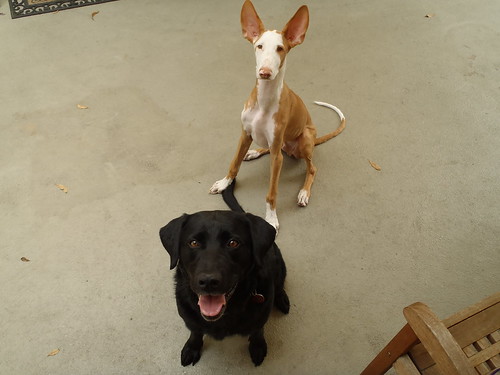
6 year old black lab, Casey and her best friend, Oban, an Ibizan hound. These two are like little kids, always playing nonstop. Here they just paused to beg for treats.

black Labrador Retriever - Casey

Photo from: Gerard (USA)

Technorati Tags:

Continue Reading...

Wednesday, February 29, 2012

Emergency First Aid for Dogs

Emergency First Aid for Dogs - General and Emergency-Specific Tips

Every dog pet owner should know how to give emergency first aid for dogs. You are the one responsible for your pet and you must be prepared to take care of him until the vet sees him and starts the treatment. In some cases, the life of your pet may be in your hands so you have to be prepared to do what it takes to save him and to help him feel better.

1) You must have a first aid kit to use in emergencies.

The first item in your kit should be the telephone number of the veterinarian. Get their mobile, if possible. You should also add the numbers of any pet emergency centres and hospitals in your area of residence. You can readily use these in case your vet is out of town or responding to another emergency.

There are a number of supplies that must be present in the first aid kit for dogs. These include gauze, non-stick bandages and adhesive tape of bandages. You must not use adhesive bandages designed for people as these may be unsafe for your pet. An eye dropper or a syringe without needle will be useful for applying different solutions for cleaning wounds. A digital thermometer especially designed for pets should also be included in the kit.

Include any medications that your vet has recommended in the kit for emergency first aid for dogs. These may be specific for your pet. They may include different topical medications for stopping bleeding and oral medications for vomiting. In general, it is a good idea to have hydrogen peroxide with concentration of 3% for vomiting and milk of magnesia and activated charcoal for poisoning. Still, you should not use these medications without permission from your vet.

A muzzle, a leash and a stretcher must be at hand when you are giving emergency first aid to dogs. Pets are scared and are more likely to bite when they are ill or injured, so you must put a muzzle on your pet's head in all cases except when he is vomiting or choking. You need to put him on a leash to get him to the vet. It is a best to use a stretcher when your dog is injured. You can use a wooden or plastic board. A rigid rug or a blanket can be used as well.

2) Call your veterinarian immediately.

This is the most important tip for emergency first aid for dogs. Even if you know what to do with your pet, you must ensure that he will get timely medical treatment as soon as possible to avoid complications. In case you are completely lost in the given situation, you must ask the vet to give you instructions on what to do over the phone.

3) Stay calm.

You cannot give appropriate emergency first aid for dogs if you are nervous and your hands are trembling. Try to stay as calm as possible and focus on performing the emergency procedures necessary. Speak with a relaxing voice so that your pet can relax as well. This will help immensely in any emergency situation.

First Aid for Dogs in Specific Cases

External Bleeding

Muzzle your pet first as the treatment of the wound may further irritate him. Then cover the wound with enough gauze and press. Keep pressing for three minutes or until the piece of gauze gets soaked in blood. As the blood gets clotted, dress the wound with clean gauze and cover it with adhesive tape. Make a tourniquet with elastic band to stop the blood supply to the wounded area, if the blood is not clotting quickly. Just remember to loosen to tourniquet for 20 seconds every 15 minutes.

Fractures

Muzzle your pet so that you can perform the emergency first aid procedures for dogs. Place your dog on a stretcher to take him to the vet. Secure him to the stretcher using a blanket or a soft rug. You can use a belt or two to secure the dog more firmly. Just make sure that there is no pressure on the inured area and on the chest. Your pet should be able to breathe comfortably. Do not try to set the fracture by yourself as this can cause more harm. Do not give your pet any painkillers.

Poisoning

The symptoms of poisoning usually includes vomiting and diarrhoea, but there may be other disturbing signs such as scratching and biting. You should call the vet immediately and describe the symptoms. You should be prepared to give an account of what your pet has eaten. Be prepared to administer medications orally, if the vet instructs you to do so.

Toxin Exposure

Find out what your pet has been exposed to. If it is something used in the home such as a cleaning product or a bug spray, you should read the emergency first aid instructions on the bottle and follow them. As these apply to humans, they are safe to apply on the dog as well. Use gloves just to be on the safe side.

Seizures

Try to move your pet to a safe location where no objects can accidently hurt him during the seizures. Make sure your pet is lying on the side. Avoid touching your dog during a seizure. You must not restrain your pet during such an episode. Try to time the seizures as this will be useful to the vet. Do not move your dog until you are instructed what to do by your vet.

Choking

If you're pet is choking, but can still breathe, you should not attempt anything and take him to the vet as soon as possible. If the problem is more serious, you should take tweezers and open the dog's mouth gently. If an object is causing the choking, use the tweezers to remove it. In case your canine collapses, you should place your hands on his ribs and press as much as you can without applying too much pressure on the ribs. This should help keep the foreign object away from the lungs.

Now you are ready to provide emergency first aid for dogs.

Guest post provided by Robby Davis of PetInsurance.com:

Robby Davis owns a pet insurance comparison site in the UK and enjoys writing blogs about animals. We also run a kennel so we know a lot about domestic cats, dogs, rabbits etc.

Our blog writing and understanding of animals really helps our clients and the day to day running of our business. We keep all sorts of animals but mainly Dogs and cats. We also advise our clients on the best pet insurance available for their animals. And give guidance on how to keep them in good shape.

We provide; pet insurance, dog insurance, cat insurance and write a lot of articles on about these animals.


Technorati Tags:

Continue Reading...

Monday, February 27, 2012

Teach Me How to "Doggie"; Dancing Dogs

Dancing is not only for the humans. Dogs have also taken center stage in this talent in the form of Heelwork for Music or Canine Freestyle. This “dancing dog” sport is increasingly becoming popular both on dog owners and audiences because it offers the perfect mix of music, tricks, and obedience. The best thing about this sport is that it can be done by any dog, whatever their breed or size is.

Most owners are intimidated with the whole idea of teaching their dog tricks. Yes, teaching your dog how to dance can be a little challenging but the entire trip in getting there will be a very fun bonding activity for both you and your dog.

Use Clicker Training

This communicate technique is the best way to train dogs. The “click” is the cue that tells the dog the correct action that it has earned to merit a reward. This way, the dog will likely perform the action again. This has long been used to teach other animals like dolphins.

Find a Tricks Class

Enroll your dog in a class where the animal is able to master some of the most basic tricks known to man. These classes should be able to properly implement trick training along with general obedience training. You can also choose to teach your dog on your own. There are so many DVDs and books where you can get everything that you will need to successfully do so.

Know What Your Dog Likes

Dogs are pretty much humans in a way that they will have their own picks of their favorite activities. As their owner and trainer, it would be helpful to know what these moves are. You can use this to facilitate the training of your dag. Work your way around these moves and devise tricks and dance moves that are related to it.

Enroll Your Dog in an Obedience Class

You may opt to train your dog on your own but it would be a good idea to leave obedience training in the hands of the experts. Dog dancing is done off-leash and so your dog will need to be able to behave and follow your commands.

Practice in Succession

While any dog can learn a single trick and be done with it, the sport of dog dancing will require them to perform a number of moves one after the other. Therefore, you have to learn to reward your dog right after the series of tricks have been executed.

Look for Good Music

Any music that has a good rhythm and beat should be a good piece to dance into. Make sure that you attune the dance steps of the whole routine. Appropriately place in the dog moves and tricks. Plan and master the entire dance before you actually teach it to your dog.

Put Everything Together

Note that the first few times of dancing with your dog can get a little chaotic. Never be discouraged to not go on. Break the whole dance into segments and patiently teach your dog it. Before you know it, both of you will be flawlessly grooving with the music.

Guest post provided by Amy C:

Amy C. is an animal blogger. She writes about providing the proper care for animals that are commonly kept as household pets. During her downtime, she performs administrative work and blogging activities for Greyside Group, a maritime security and executive protection company. Stay tuned for her next post for more interesting information about pets.


Technorati Tags:

Continue Reading...

Wednesday, February 22, 2012

A Labrador Retriever Owner’s Guide to Canine Arthritis

Almost any Labrador retriever owner would tell you that this breed makes a wonderful pet. They’re gentle, intelligent and oftentimes active dogs- making them wonderful companions whether you’re in the mood to go for a jog or just spend some quality time relaxing with a loyal companion.

However, just as with any breed, Labrador Retrievers are prone to certain health conditions. For labs, one of the most common conditions experienced is the early onset of arthritis. Simply defined, arthritis is the inflammation of the joints. Arthritis in Labrador retrievers is oftentimes caused by hip dysplasia, a genetic disease in which an animal suffers from an abnormal formation of the hip socket.

So, if a condition is genetic there’s nothing an owner can do to improve the health of their dog’s joints, right? Wrong. There are a number of things pet parents can do to alleviate joint pain and better the quality of life for their sweet pooch.

Help your Dog Maintain a Healthy Weight: Simply put, the more weight a dog has to lug around, the more stress is placed on his joints. Those few extra puppy pounds can exert a lot of unnecessary pressure and cause an increase in joint pain. Consult with your pet’s veterinarian about a diet and exercise plan if your lovable pup has put on some extra weight because obesity can increase the risk of developing hip dysplasia and arthritis.

Start a Joint Supplement Regimen: Adding a joint supplement to your dog’s routine is a simple way to boost joint health. Canine nutritional supplements that contain glucosamine and chondroitin, like Guest post provided by VetDepot.com - an online retailer of Cosequin and supplies. for dogs, help protect cartilage from breaking down.

Be Reasonable about Exercise: Too much exercise can actually increase the likelihood of developing joint disease for dogs that are genetically predisposed. However, a healthy amount of muscle mass is important in protecting joints. The key is to encourage exercises that strengthen muscles (i.e. light running, swimming) instead of exercises that exert a lot of force on the joints (i.e. jumping activities like Frisbee).

Maintain a Close Relationship with your Pet’s Veterinarian: If you own a dog that is genetically predisposed to joint disease, your vet can offer suggestions to keep joints as healthy as possible. Obviously, your vet is also the only one that can provide a correct diagnosis for any joint condition your dog does acquire. Once an arthritis diagnosis has been made, an anti-inflammatory may be prescribed. Always speak with your veterinarian about any questions or concerns you have about these medications.

Continue Reading...

Monday, February 20, 2012

Free Can of Purina Pro Plan Dog Food at Petco

For those of your that feed your Labrador Retrievers Purina Pro Plan dog food, Petco is offering a free can with coupon.Purina Pro Plan

Print out the listed coupon and visit your local Petco to get a Free can of Wet Purina Pro Plan Dog Food.

To use the coupon for the Free Can of Purina Pro Plan dog food, you must be a member of Petco Pals (free to join) and present the coupon with your PALS card.

Limit one per household, coupon expires 3/31/12.

Technorati Tags:

Continue Reading...

Thursday, February 16, 2012

Dog Owner's Springtime Checklist

If your dog could tell you his or her favorite time of year, it would almost invariably be the spring and early days of summer. The weather is just right, which means more time outside and more fun with the humans. Activity is everywhere. And the smells...your dog would never shut up about the smells of spring and summer.

As the weather starts to warm up, start thinking of ways to make sure your canine gets the most out of spring and stays healthy in the process. Here's a five-point checklist to get you started:

Bath and shave: Most dog owners opt to let their furry companion carry as thick a coat as possible during the winter to help keep them warm. Remember to shave thick coats when the weather warms up to keep your dog cool. Finish with a bath to rinse the remaining soot collected from winter.

Check-up: The end of winter is a good time for your canine to get a check-up. The reason being is that limited outdoor activity combined with a natural instinct to store fat during cold conditions may mean your dog is overweight. On top of that you might as well have your dog screened in general.

Double check your garden ambitions: Before taking the time to sew seeds for a spring garden, make sure you aren't planning on planting anything that may be harmful to your pet. Popular garden plants that can cause sickness in dogs include daffodils, gladiolas, and tulips.

Stock up on flea and tick meds: This one is a no brainer. Either at your visit to the vet or through a trusted online vendor, get the necessary flea and tick medicine before allowing your pet to spend extensive time outdoors. Frontline Plus for dogs is particularly useful since it guards against both.

Plan a trip: Now comes the fun part. Put all this preparation and prevention to good use and plan some some for you and your canine to enjoy the return of warm weather. Camping is a great idea, but so is simply taking your dog for a long walk in a park.

The sights, sounds, and smells of spring and summer are without a doubt some of the best things your dog loves about life besides you. Partake in their appreciation for the warmer months and reciprocate their affection by doing your part to ensure they have a wonderful time outdoors.

Technorati Tags:

Continue Reading...

Monday, February 13, 2012

Free Whites Premium Dog Food Sample

Get a free 100grm (3.5 oz) sample of dog food from Whites Premium.

About Whites Premium: "Made with a high level of fresh meat and nutritious ingredients, is correctly balanced, easy to digest and does not contain cheap fillers.

Whites Premium Dog FoodWe know many humans and dogs can be allergic to certain ingredients so we made the food hypoallergenic and gluten free (apart from the vitality Muesli that contains more carbohydrates). We wanted to make it truly balanced using the best quality natural, wholesome ingredients that would provide all the proteins, carbohydrates, fats, vitamins and minerals that the dogs required to keep them in tip top condition. We insisted on human grade meat and fish, and wanted nothing in the food that we would not eat ourselves!"

Visit the Whites Premium website to learn more about their products and to request your Free 100grm (3.5 oz) Sample of Whites Premium Dog Food.

Technorati Tags:

Continue Reading...

Thursday, February 09, 2012

Free Beneful Baked Delights Stars & Hugs Combo Sample

"Beneful® Baked Delights™ - Give your buddy some oven-baked love with Stars and Hugs.

Beneful Baked Delights Stars & Hugs Combo Sample

The ingredients and the sharing. It’s our affection baked and packed in a unique snack. It’s like a joyful hug in a playful treat. Introducing all new Beneful® Baked Delights™."

Surprise and delight your Labrador Retriever with a Free Sample of Beneful Baked Delights Stars & Hugs Combo

"*Good only in U.S.A., A.P.O.'s, F.P.O.'s. Void where taxed, prohibited, restricted. Allow 6-8 weeks for shipment. LIMIT ONE REQUEST PER INDIVIDUAL OR ADDRESS. Must Like the Beneful Facebook page to order."

Technorati Tags:

Continue Reading...

Dogs: Common Health Conditions and Warning Signs

The companionship of a dog is unparalleled. Your dog is part of your family. When your dog isn't feeling well, it can be upsetting, trying to determine the problem, and what requires immediate attention. This list of common, dog health concerns, along with warning symptoms, and possible treatments will help prepare your dog's best line of defense. Loving pet owners don't want their dog feeling poorly.

INSECT INFESTATION

Fleas:

If your dog is scratching, licking or biting more than usual, check your dog for fleas. Typically, fleas will attach to your dog's abdomen, tail and head.

TREATMENT: Flea collars, shampoos dips.

PREVENTION: See your veterinarian for insect growth regulator drugs or use spot-on or oral prevention medications.

Ticks:

If you live near wooded areas, it is essential to check your dog for ticks. Ticks can spread Lyme disease as well as some other serious diseases.

TREATMENT: Remove all ticks with tweezers, see your veterinarian if your dog becomes ill after removing any ticks.

PREVENTION: Restrict your dog from roaming in heavily wooded areas.

Ear Mites:

If your dog is scratching his ears more, and you spot crusty matter on the tips, this may indicate ear mites.

TREATMENT: See your veterinarian for treatment.

PREVENTION: Completely dry your dog's ears after bathing, swimming. You will want to check your dogs ears often, and visit your veterinarian if you suspect mites.

DENTAL HEALTH

Bad Breath:

Bad breath is a sign of improper dental health. Your dog should have his teeth cleaned regularly by you or a professional. Bad breath is a known symptom of health conditions that involve the kidneys and liver; and tend to be far more serious.

TREATMENT: Visit your veterinarian to have serious conditions ruled out.

PREVENTION: Brush your dog's teeth on a regular basis.

OBESITY

If you cannot easily, feel your dogs ribs; your dog is overweight. Obesity and carrying excess weight can lead to joint issues and other diseases.

TREATMENT: Work with your veterinarian to develop a diet for your dog and exercise regularly.

PREVENTION: Portioned meals with a nutritious dog formula and daily exercise.

HEAT STROKE

In hotter climates, heat stroke can be a critical issue especially for dogs living outside and those breeds that have trouble with extreme temperatures (flat faced dogs typically). Symptoms of a dog in distress include excessive panting, a racing heart rate, vomiting and excessive stringy drool.

TREATMENT: hydrate and cool your dog down quickly, in serious cases visit your veterinarian.

PREVENTION: If you dog must be outside during heat waves, ensure there is a shaded area with a fan to offer a breeze for your dog. Your dog needs to have an ample amount of fresh water throughout the day.

VIRUSES/INFECTIONS

Kennel Cough:

A respiratory disease passed from dog to dog. Symptoms of kennel cough include coughing, sneezing, fever, loss of appetite and lethargy. Your dog's mucous may become a yellow-green color.

TREATMENT: See your veterinarian for treatment.

PREVENTION: There are vaccines available, but they are not guaranteed to prevent this virus.

Conjunctivitis: If you dog's eyes look red, gooey and crusty, it is more than likely an eye infection

TREATMENT: See your veterinarian for treatment.

PREVENTION: Hard to prevent due to viral causes. Keep dog shampoo out of your dog's eyes.

Ringworm:

Ringworms are an infection of the skin, leaving scabs on your dog.

TREATMENT: See your veterinarian for proper diagnosis, and use an anti-fungal treatment on the skin for four to six weeks. Dispose of all dog bedding, then give your home and yard an intense cleaning. Wash hands constantly to avoid spreading to family members, keep children away until the infection has cleared.

PREVENTION: Keep your dog away from other dogs with the infection. A tip is to get an invisible fence to keep your dog on your property.

WORMS

Heartworms: Heartworms are transmitted through the bite of an infected mosquito. Symptoms will not appear for up to seven months and begin with a cough.

TREATMENT: See your veterinarian immediately.

PREVENTION: Vaccine.

Tapeworms: Tapeworms are spread through your dog eating infected fleas or rodents and can cause anal irritation and itching. You can see pieces of the worm passed through the feces.

TREATMENT: See your veterinarian for treatment.

PREVENTION: Keep your home free of fleas and rodents.

Whipworms: Whipworms are passed through feces and will cause bloody diarrhea.

TREATMENT: See your veterinarian for treatment.

PREVENTION: Vaccinate. Dispose of your dogs waste properly, and keep your dog away waste of other dogs.

Threadworms:

Threadworms can infect puppies and cause bloody diarrhea. Threadworms are highly contagious and can be passed to humans.

TREATMENT: Isolate your puppy and see you veterinarian immediately.

PREVENTION: Vaccine.

INSECT BITES

Depending on the insect bite, your dog may experience swelling and pain at the location of the bite. If your dog is stung multiple times by bees, wasps or ants your dog may need medical attention. Spider bites by a black widow or brown recluse are extremely dangerous and need immediate medical attention. Symptoms of a toxic bite include hyper activity, fever and weakness, shock and seizures.

TREATMENT: Medical attention is required with multiple bites or by poisonous insects. A single bite, without serious symptoms, only requires you to remove the stinger by using a scraping motion, followed by an application of an ice compress.

PREVENTION: Pest control.

Guest post provided by Dr. Susan Wright, DVM:

Dr. Susan Wright, DVM, has been providing quality care for family pets as a veterinarian for more than 10 years. Dr. Wright is a dog bark collar expert and author. In her free time, Susan enjoys writing articles, giving helpful tips and proper care advice to dog owners.

Technorati Tags:

Continue Reading...

Sunday, February 05, 2012

5 Fun and Frugal Valentine's Day Gifts for Pets

Dog and cat owners receive the rarest form of affection -- unconditional love that is more worthy of Cupid's arrow than any well-matched couple.

No wonder pet lovers go hog wild over gifts for their four-legged friends during the holidays -- and Valentine's Day is no exception. In 2011, the National Retail Federation expected consumers to spend 54 percent more on their pets than in 2010. Naturally, this represents yet another opportunity for retailers to make a few bucks, so consider these frugal gift ideas to please your precious pets without blowing your budget.

1. Make it Personal

According to the American Pet Product Association , spending on pets in 2010 is estimated at $47.7 billion. That's a lot of chew toys. Set your gift apart from the pack by personalizing it with your pet's name or picture. You can get this done professionally for a pretty penny, but consider how easy it is to create a photo of your beloved canine for her treat container or food bowl.

2. Tasty Treats

You can find festive treats for cats and dogs alike at most major pet stores, including Petsmart and Petco. Cut down on the cost of these premade goodies and purchase gift cards at a discount from sites like GiftCardGranny. You can save up to 10 percent, leaving room in your budget for a bit more pooch-pampering.

3. Edible Greeting Cards

It's high time someone in the greeting card industry thanked all those cute animals gracing the covers of Hallmark cards with a greeting card of their own. Enter Crunchkins, the creator or edible greeting cards for dogs and cats. For less than $5, you can mail a rawhide card to your dog or a catnip card to your kitty, complete with a heartfelt message conveying your love.

4. Cheap DIY Chew Toys

We all know some kids have more fun with the packaging of a pricey present over the actual contents. The same can be said for your pet, who grasps the connection between price and affection even less so than your toddler. Skip the premade wares and go DIY this Valentine's Day with a homemade tug-of-war rope made of old socks, or a crackly paper bag for your kitty-cat max.

5. Baked Goodies

If you bake cookies for your sweetheart, consider baking a special batch for Fido and Fluffy. You can make delicious treats for your pets out of common ingredients, and feel good knowing just what's going into their bellies. Red Velvet Pupcakes, perhaps? Find this recipe and others at Dogster.com.

Guest post provided by Andrea Woroch.

Andrea Woroch is a consumer and money-saving expert for Kinoli Inc. She is available for in-studio, satellite or skype interviews and to write guest posts or articles. To view recent interviews or for more savings tips visit AndreaWoroch.com .

For all media inquiries, please contact Andrea Woroch at 970-672-6085 or email andrea@kinoliinc.com.

Technorati Tags:

Continue Reading...

Thursday, February 02, 2012

Homemade Pet Food: Why More Pet Owners are Jumping Onboard

People across the nation, from Inks Lake in Central Texas to the East Coast, are actively seeking out healthier lifestyles for their pets by altering their eating habits. Although much of society does not consider this to be of great importance, there are die-hard pet lovers that insist on their four-legged friends eating only the best. Remarkably, these folks are not going out and spending a fortune on costly, organic foods from the veterinarian or specialty stores; rather, they are making pet food from their leftover meals.

These concerned pet owners readily provide valid points that back up their decision to take such action, and scanning the back of a pet food label may make one's stomach turn sour. Surely, animal byproducts and bone meal are excellent in a compost pile, but it seems reasonable to assume that these are not very healthy for a pet to consume. Coming to this realization is possibly the biggest proponent of avid pet owners that take the time to care for their pet's nutritional needs by preparing homemade pet food.

Making certain that a pet's body receives adequate protein nutrients is a primary concern of many dog owners. These typically active pets need ample amounts of not just protein, but these should be highly digestible proteins. Many prepackaged foods feature a label with high percentages of this nutrient, but they are generally proteins that are only 60 percent digestible. It makes one wonder what happens to the other 40 percent. Certainly, unhealthy foods can wreak havoc on an animal's internal system, as well as their bathroom habits.

Ultimately, prepackaged pet foods may not be the best solution in sustaining the needs of active pets. Most people are privy to the differences in good fats and bad fats, and active bodies require certain amounts of both. Pet food bought in a store features fats that can be preserved, as opposed to healthy fats that easily convert into energy. It is important to remember that pets use fat to keep their kidneys functioning properly, and an excessive amount of fat within this sensitive area could prove to be fatal. Making pet foods at home allows pet owners to control fat intake, thus resulting in a happier and healthier animal.

Numerous clever pet food recipes are available on the Internet, and there are options that will permit even vegetarians to turn leftover foods into tasty, nutritional meals for their pets. Commonly, meats and vegetables are the primary ingredients in these culinary creations, but a number of other types of foods can be added to the meal mixture to meet pet's vitamin-specific needs. Pets with allergies or health problems require explicit considerations, and homemade pet food can be a great solution to help them feel better overall.

However, before getting started making pet food, is good to have a working knowledge concerning the nutritional aspects of foods and they affect animals. Pet owners should consult with their veterinarian prior to making any drastic changes. These professionals will be able to offer advice, make recommendations, and provide owners with resources that can give them the knowledge they need to succeed in creating appropriately balanced meals for their pet.

Citations:


Lynn Mastic loves travel and pets.  She made her home on the shores of Inks Lake, one of the Highland Lakes, for several years and was pleased to see more pet friendly lodging options cropping up, and she likes to write about this area of Texas and pet-friendly topics.

Technorati Tags:

Continue Reading...

Blog Archive

dog videos, cat videos, puppy videos, kitten videos, pet videos

Followers

Syndication

  © Blogger templates The Professional Template by Ourblogtemplates.com 2008

Back to TOP