Sunday, June 19, 2011

Cheap Dog Supplies: Finding and Fitting Your Dog's Halti Head Collar

Imagine the scene; a small local shop with very narrow aisles and rickety display cabinets. Then imagine trying to get a 35kg chocolate Labrador in a head collar when he thinks it's a really bad idea. He threw the dog equivalent of a toddler tantrum and I thought "no way can I use this"; however I was 5 months pregnant, it was winter and I also didn't want to be pulled over.

So I bought the Halti harness and thought I'd try to get Bernard (the lab) to like it. I learnt the hard way that some dogs need time to get accustomed to Halti head collars and if you think your dog is the same then read on; we have both tips to get your dog accustomed to it and links to quality yet cheap dog supplies.

You will need about a week to accustom your dog to the Halti head collar. Some dogs will take less and some more. Work at your dog's pace and don't move onto the next step until the dog is comfortable with the previous step.

1. Let your dog sniff the collar. Don't try to put it on him. Feed him treats, encourage him and stroke him when he is putting his head forward to investigate. Get your dog used to the clip sound by opening and closing it.

2. Hold the collar open and, using a treat as a lure, encourage him to put his snout through into the harness. Don't attach the harness; just let it lie loosely on his snout. Give him lots of encouragement and tell him he's clever. Repeat several times a day until he happily puts his head into the harness for a treat. It is important that he voluntarily puts his snout into the harness so don't force him or try to trick him.

3. Once he is happy to put his head into the harness, you can now close it. Don't try to make it fit snugly, just let it be loose at this point. Tell him how clever he is and give lots of praise and treats.

4. Now you can fit the harness to his head according to the instructions on the packet. If your dog loves dinner time, do this before meal time. When the harness is in place, feed him leaving the collar on. If your dog won't eat with it on, attach the harness and play a game with your dog. The idea is to get the dog to associate the harness with something positive. Don't think about attaching a lead at this stage.

5. Fit the harness to the dog several times a day before doing something that the dog enjoys, like feeding him or playing. Slowly increase the amount of time that the dog is wearing the Halti harness. If he starts to rub at the harness, remove it and next time it is on try to remove it before he starts rubbing.

6. Once your dog wears the Halti harness comfortably for 20 minutes or so you can start attaching the lead; but do this in your home or garden. Initially let the lead drag as your dog walks around. Do this a couple of times.

7. Still in your home or garden, hold the lead. Don't pull at it, follow the dog around or get him to move towards you by calling him. Give him lots of treats and encouragement. You should repeat this until you can walk around your home or garden without any signs of problems from your dog.

8. You are now ready to go on a walk. Take your dog's favourite toy or treats with you. If he starts to rub at the Halti head collar, distract him with the toy or treat.

9. After a while, try putting your dog on the head collar at the beginning of a walk, when he is full or energy, and then attaching the lead to his collar on the way home. After a while you may find that you don't need the Halti head collar at all or only at times when there is a lot of excitement. Hopefully this should work for you. It did with me.

Amazon have some great deals on Halti Head Collars, and you can find some great cheap dog supplies and special offers by selecting the link.

You can also find further articles and advice by clicking on the link to mycheapdogsupplies - come for the advice and browse the great special offers that have been collected from some of the best online stores.


Technorati Tags:

This post contains affiliate link(s), which may result in compensation for AllAboutLabradors.blogspot.com. For more information about All About Labradors please read our Disclaimer and Disclosure Policies. We've shared this information to inform you of your option to either use our affiliated links or to go directly to the site of interest.

Continue Reading...

Monday, June 13, 2011

Canine Cancer And Its Impact on Dog Health

Dog cancer tends to have a variety of impacts on the health of the dog which results with many types of canine diseases. Cancer is an emerging health issue and is of great importance since it is life threatening in most cases. Some dogs are genetically predisposed to it while others may acquire it from pathogens (disease causing), toxins, drugs and as a complication of some common health problems.

Canine cancer symptoms are highly non specific and resemble many common health problems in the initial stages of the disease. Unfortunately, once the cancer is identified as the cause it is often incurable; such it will be in a more advanced stage. Both benign (slow spreading) and malignant (fast spreading) forms of such cancers can be result in severe symptoms, benign tumors are less dangerous.

Clinical studies show that the symptoms are exhibited in two different phases, initially mild, while recurring and severe in advanced stages. All these symptoms are only helpful in suspecting that cancer is the cause and not that helpful. Only detailed laboratory and pathological sampling can confirm the presence and extent of the disease. Along with specific treatment through surgery, chemotherapy and the application of radiation, symptomatic therapy can help in improving the quality of the affected dogs. Incurable dogs are usually kept on life long symptomatic treatment plans only.

Generally, a dog with cancer appears dull, non social, anorexic (appetite loss), ataxic (uncoordinated muscle movement), intolerant and gradually loses weight. Any of these symptoms usually do not help in making a confirmatory diagnosis, as these symptoms may be seen in many other health problems of dogs. Involvement of a specific part, system or organ of the body can help to some extent to suspect dog cancer as the underlying cause.

The Veterinary Cancer Society publishes a helpful list of common cancer symptoms in small animals. These include:

1. Abnormal swellings that persist or continue to grow
2. Sores that do not heal
3. Weight loss
4. Loss of appetite
5. Bleeding or discharge from any body opening
6. Offensive odor
7. Difficulty eating or swallowing
8. Hesitation to exercise or loss of stamina
9. Persistent lameness or stiffness
10. Difficulty breathing, urinating, or defecating

Systemic Symptoms:

Canine cancer can appear at any part of the body, and can be caused by any number of factors as pathogens such as viruses, high doses or prolonged use of some drugs, extreme defects in physiology etc. Age is a significant factor in the development of dog cancer.

Different organs/systems such as the bladder, liver, pancreas, intestines, lungs, spleen, mammary glands, testes or bone marrow can be the site of a dog cancer. Similarly the lymphatic system, musco-skeletal system, circulatory system and urinary system are the most commonly affected parts of a dog's body almost all types of malignant forms of cancer. Lymphomas (lymphatic tissue), hemangiosarcomas (bleeding in the heart, liver, spleen and skin), osteosarcomas (bone) are some examples of such deadly dog cancers.

Specific dog cancer symptoms that are related to affected organs or systems are sometimes helpful in making a diagnosis. Difficulty in urination, abdominal pain, bleeding through open cavities (ears, nose, anus etc), unusual growths and lumps on the dog's body which grow larger with time, recurring vomiting, incurable diarrhea etc. are somewhat specific signs for dog cancer.

One most common finding which lead to the suspicion of a dog cancer is the recurrence and incurability of symptoms, even if symptomatic treatment has been applied. Ulcers are the best example, which are related to abdominal pain. Ulcers that recur even after symptomatic treatment, can cause the passing of blood into the feces and may develop into an incurable malignant form of dog cancer.

Cancer Symptoms Requiring Emergency Treatment

• Your dog has collapsed
• Bleeding after receiving chemotherapy
• Loss of appetite while undergoing treatment
Canine Cancer Symptoms Requiring a Call or visit to your Veterinarian
• Skin - Sores, bumps, lumps
• Leg - Large breed with swelling or a limp
• Seizure - In older dog that has a seizure (uncontrolled shaking) for the first time
• Nose - blood coming from the nose
• Mouth - Lump, bump or growth
• Breast - lump or swelling

Battle Cancer is a site for dog cancer and Canine cancer which helps dog fight against cancer.

Canine Cancer And Its Impact on Dog Health by Pratibha Suyal.


Technorati Tags:

Continue Reading...

Friday, June 10, 2011

Benefits of High Protein Dog Foods

There are continuous debates on the benefits of high protein dog foods for your pets. Most dog owners who would like to try this particular type of diet for their dog are often asking whether a diet high in protein is beneficial for their dogs. Before making any drastic changes to your pet's diet there are some very important factors pet owners should consider before changing their dog's diet to a high protein meal.

Your dog's breed, activity level, physical condition and health are very important factors to consider before trying high protein dog foods. Here are some important facts to remember before trying a high protein diet for your dog:

* Diabetic dogs do require high quality protein dog foods to cope with their condition. High quality proteins are easier to digest and provides adequate nutrients needed by diabetic dogs to manage their diabetes.

* Puppies will greatly benefit from a high protein diet. Proteins are the essential building blocks needed to develop muscles, hair, brain cells and skin. A Puppy's diet should generally consist of 25% - 30% protein for them to grow and develop properly while an additional 17% of fat content is needed for proper brain development and skin health.

* Lactating dogs also benefit from a high protein diet simply because she is producing milk to feed her pups. High amounts of protein are essential for lactating dogs to produce a good quality of milk while supporting her own health. The amounts of protein and fat are usually the same for puppies and lactating dogs.

* Performance or agility dogs require high protein diets. Dogs that are very active or participate in agility competitions requires high protein meals to promote muscle strength and development. Proteins also provide additional calories that burn more slowly compared to carbohydrates. For active dogs the advisable protein content should be about 20% - 25% and fat content should be about 20% to maintain good weight.

* Too much protein for your dogs is harmful is just a MYTH. There is no truth on the fact that high protein dog foods causes kidney diseases. Proteins are processed in the liver and any waste materials are filtered by the kidneys. High quality proteins found in lean meat and eggs does not generate large amounts of waste that puts stress on the kidneys. While the low quality proteins found in animal by products like feathers, horns and hooves are hard to digest and absorb and also generate a lot of waste materials that puts stress on your dog's kidneys. The quality of protein you feed your dog is the key for their overall health and wellness.

Do remember these facts and always consult your veterinarian before making any changes to your dog's diet. The key to high protein dog foods is not the quantity but the quality of the protein you feed your dog. With the right quality and a right balanced diet your dog will be living healthier and will certainly avoid life threatening diseases.

Check out more information, tips, reviews, and recipes for feeding a diabetic dog and keeping him or her healthy for a long time at Diabetic Dog Foods (diabeticdogfoods.com).

Technorati Tags:

Continue Reading...

Tuesday, June 07, 2011

Help Raise $10k for the ASPCA

As you all know, The American Society For The Prevention Of Cruelty To Animals (ASPCA) does an outstanding job working to rescue animals from abuse, pass humane laws and share resources with shelters nationwide. They are a privately funded 501(c)(3) not-for-profit corporation, and proud to boast more than 1 million supporters across the country.

With all the hard work they do, money does not go far enough for all their efforts. Any money they receive through donations, fundraisers and other events is greatly appreciated and does help!

Recently, MrChewy.com, the spot for pet people, announced on their Facebook page that when they reach 10,000 “likes”, they’re going to donate $10,000 to the ASPCA.

For those of you with Facebook pages, all it takes is a click of the "Like" button on the MrChewy.com Facebook page and they will be one step closer to donating the $10,000 to the ASPCA.

Help spread the word and raise funds for the ASPCA by sharing on Facebook, and/or via your Twitter account. THANK YOU!!

Technorati Tags:

Continue Reading...

Friday, June 03, 2011

7 Tips to Potty Train Your Lab Puppy

Labrador retrievers were originally raised to be hunting dogs. The reason for this is that they are very intelligent and can easily adapt to changes. In addition, they can follow instructions without any difficulty. These reasons make them one of the most lovable breeds in the world. However, you still need to potty train them just like other dogs.

Don’t worry. As mentioned earlier, the Labs are very smart so it will not be so stressing for you to toilet train your cute pup. The tips below can help you:

The first thing you need to do is to determine the age of your pup. The ideal age is about 8 weeks. If you acquired your pup from someone else, ask your contact person about the age. Your pup should also be weaned from breastfeeding.

Observe your puppy through a crate. Purchase a crate that can accommodate your pup as he grows. But make sure that the crate is not too big or your pup will poop in that same area. Make it just right for him to move a little.

A big crate will also make him feel alone so pick just the right size. Add beddings and toys into the crate so your pup has something to do in his idle time. His favorite toy will keep him from chewing on his bed.

Implement a schedule of feeding time. Usually, pups have accidents after sleeping or eating. This is the reason why your feeding time should be strictly observed. This way, you will be able to estimate when your pup will “go”.

Pick a spot in your yard where your pup can go potty. This area should be the permanent toilet area of your dog. One way to have your pup relieve itself is by using a command word. You can say “potty” to signify that it is time to “go”.

This breed loves it when they please others. Make sure that your dog knows that he is doing the right thing. After your pup “goes”, reward him with a treat, praise him, or pat his head.

Have your pup take potty breaks every two hours. This breed may be big but they have fairly small bladders that are the opposite of their size. Take him to his designated area to let him pee or defecate. Or better yet, take him to his toilet area every after meal and as soon as he wakes up.

If your pup accidentally “goes” inside the house, do not punish him. Clean the mess he made and show him to his toilet area. Do not hurt, spank, or shout at him. Again, labs are very smart so they can absorb instruction easily. Just be patient and he will get what you want him to do after several tries.

Keep a close eye on your pup. As soon as you notice that he is about to pee or defecate inside the house, immediately pull him to his toilet area.

The key to potty training your Lab puppy is consistency. Just stick to your feeding schedule, the potty breaks, and of directing him where to go to relieve himself. Patience is another important value here. Never reprimand nor hit your pup if he makes accidents. He will surely get it the next time if tell him again what to do.

Good luck!

Author’s bio: Marcy Gray is a dog lover who likes to write about her experiences in dog care. In addition, she likes to write other topics such as Removing Skin Tags Yourself

Technorati Tags:

Continue Reading...

Tuesday, May 31, 2011

Herbal Remedies for Dogs Health Problems

When it is Good to Use Herbal Remedies for Dogs?

Your dog is your best friend, and you do all that you can to take care of him and keep him in top shape. If your dog has issues and you want to avoid frequent trips to the veterinarian or animal hospital, it would be good for you to know when it is good to use herbal remedies for dogs. Whether you want to treat something specific or you want to help your dog stay healthy, there are herbs that can be very beneficial. You may want to use herbs to help reduce fleas and ticks, promote better digestive health, and improve overall health and vitality.

Fleas and ticks are things that have always plagued dogs. Many people prefer to use herbal remedies so that they don't have to be near pesticides that can be harmful or toxic to both dogs and humans. Getting rid of the pests should not have to happen at the cost of poisoning the dog. Adding garlic on a daily basis or sulfur on a weekly basis can be very helpful in treating this problem.

Dogs are often prone to digestive problems of one kind or another, particularly with diarrhea and constipation. Using herbal remedies for dogs is a good way to improve their digestive health. Probiotics are often helpful to dogs who have sensitive stomachs. For increased liver function, Milk Thistle with its flavenoids is often recommended.

For overall health and an improved immune system, such herbs as Cat's Claw, Indian Ginseng, and Echinacea are all very popular. You may want to try these herbal remedies if your dog seems to have low energy, especially as he gets older. Many herbal supplements can actually improve his vigor and vitality. You may find that there are many supplements available in the pet section of your favorite store, so it may be hard to choose. Domesticated animals do not generally eat herbs to cleanse their systems like wild animals so, so it is up to you to provide them.

It is actually a good idea to speak with your veterinarian about herbal remedies for dogs before simply beginning to use them. If you can find a practitioner who specializes in alternative medicines or remedies for pets, you can be assured that you will be on the right track. Using herbal remedies will also often reduce side effects that can occur with prescription medicines. By providing your dog with a healthy diet, plenty of physical exercise, and appropriate herbal remedies for dogs, you will be able to help him maintain his good health for many years to come.

Rasean C Jirves is a freelancer writer and affiliate marketer. Visit Petsherbalhealthguides.com for Informative articles and tips on pet health problems, and homeopathic medicine and herbal remedies for dogs, cats at: http://petsherbalhealthguides.com/. You can also download our free health guides in pdf format that you can read on your browser, or save them on your computer, they are free of malware, viruses, worms, and spyware. You can find them here: http://petsherbalhealthguides.com/category/health-guides/.

Technorati Tags:

Continue Reading...

Thursday, May 26, 2011

Adverse Reactions to Microchipping Pets

Microchipping pets has been a hot topic in the news lately with the Pharmaceutical company Merck being served a lawsuit over claims its pet microchip product HomeAgain® induced cancer in a cat. More details on this case can be read here: Andrea Rutherford v. Merck Sharp & Dohme Corp. and Digital Angel, Inc.

A microchip implant is an identifying integrated circuit placed under the skin of a pet that is about the size of a large grain of rice. The microchips are based on a passive RFID (Radio Frequency Identification) technology which allows them to be scanned using a handheld scanner.

The FDA's official statement is as follows "The potential risks to health associated with the device are: adverse tissue reaction; migration of implanted transponder; compromised information security; failure of implanted transponder; failure of inserter; failure of electronic scanner; electromagnetic interference; electrical hazards; magnetic resonance imaging incompatibility; and needle stick."

The American Medical Association's (AMA) Council on Ethical and Judicial Affairs' (CEJA) 2007 report, entitled "Radio Frequency ID Devices in Humans," says microchip implants "may pose some physical risks, compromise patient privacy, or present other social hazards."

While complications and reports over microchipping pets appears to be rare, we would be interested in hearing our readers direct experiences with chipping their own pets if they have done so.

View the latest World Pet News every week at PetPeoplesPlace.com.

Original Source: http://www.petpeoplesplace.com/resources/news/general/adverse-reactions-to-microchipping-pets.htm

Technorati Tags:

Continue Reading...

Monday, May 23, 2011

Free Sample of Hartz Home Protection Training Pads

For those of you with Labrador Retriever puppies that are thinking about using training pads, Hartz is offering free samples on their Facebook page.

Information about Hartz Home Protection Training Pads:

"Hartz® Home Protection™ Training Pads are now 75% more absorbent* to provide 12 hours of protection. Our unique Flash-Dry® technology prevents leaking and tracking to ensure your home is as clean as you left it. Hartz® Home Protection™ Training Pads also contain an antimicrobial to eliminate odor causing bacteria and have a built-in attractant to help make training easy."

If you would like to receive a free sample of Hartz Home Protection Training Pads, head on over to the Hartz Facebook page and "Like" them to make your request.


Technorati Tags:

This post contains affiliate link(s), which may result in compensation for AllAboutLabradors.blogspot.com. For more information about All About Labradors please read our Disclaimer and Disclosure Policies. We've shared this information to inform you of your option to either use our affiliated links or to go directly to the site of interest.
Continue Reading...

My Dog Eat Grass, is this OK?

Should You Let Your Dog Eat Grass?

There are two primary reasons why dogs eat grass. Number one is to use as a purgative, and number two is simply because they want to! (More on that in a minute … )

Dogs Consume Grass to Purge Their System

Most of you are well aware that dogs will, on occasion, eat large amounts of grass in an attempt to make themselves throw up. In fact, if your dog consumes a large amount of grass, it could be because she has:

* Gastrointestinal upset
* Nausea
* Gas or bloating
* Eaten something she shouldn’t have
* A virus or bacteria

When they exhibit this behavior, it tends to be almost frantic. They’ll whimper and cry to be let out, then they’ll run outside and start eating any grass they can find; they’re not selective.

After they consume a large amount of grass, they’ll often times lick their lips because they’re nauseous, and then of course, they’ll vomit.

It’s completely normal for your dog to vomit occasionally (like people do when they are ill), meaning one or two times a year. Most often it’s nothing to worry about and, surprising as this may sound, your dog knows what’s best in terms of intentionally voiding their system of something that could be toxic, or making them unwell.

What to do if Your Dog Eats Grass Often

As I said earlier, many dogs will eat grass to make themselves vomit, but if your dog is doing this on a frequent basis it’s a sign that her system may be off kilter.

In this case, you absolutely need to reevaluate their diet, as frequent gastrointestinal upset is a sign that something is wrong with the food that you’re feeding.

It may be a great quality food, one your dog has been eating for years with no trouble. But if your dog begins vomiting up grass and food several times a week or even weekly, I can tell you that this is not normal.

I would recommend switching brands of food, switching flavors and switching protein sources. Above all, if you’re capable of going from an entirely dead diet (kibble or canned) to an entirely living diet (raw), that would be wonderful!

You may want to seek the help of a holistic veterinarian who can help you to switch your dog to a new diet. Most importantly, if your dog has been eating the same diet for most of his life, you will need to make the transition gradually.

The other items that you should consider adding to your dog’s food are probiotics and digestive enzymes. Probiotics help reseed and fortify the beneficial bacteria in your dog’s gut, while the digestive enzymes provide what the entrails or the guts of their prey species would have. These enzymes provide a rich source of amylase, lipase and protease, which can help your pets process food much more successfully.

So, that’s one scenario -- the obsessive consumption of a large amount of grass in order to produce an episode of purging or vomiting. The next reason is entirely different …

Dogs May Feed on Grass Simply Because They Want To

Contrast the first scenario -- your dog rushing out and eating any and all grass in sight -- with this second scenario: you let your dog out the back door. It looks like he’s having a great time running around when all of a sudden you see him on a mission. He is sniffing and specifically seeking out tall, broad grasses -- the tall grasses that typically grow along a fence line or up from sidewalk cracks.

Your dog is very selectively picking out certain grasses. He identifies them and uses his front teeth to nibble and eat them. He’s not frantic, he is doing it almost with intention and you see him select a few grasses and go about his way.

That’s an entirely different scenario and that’s scenario number two, which means your dog is eating grass because he wants to.

Eating Grass is a Normal Dog Behavior

Dogs know what they need to consume. And in fact, biologists have told us that all canids -- dogs and wild dogs (wolves, coyotes, dingoes, etc.) -- consume grass and it’s a completely normal behavior.

So it’s important to recognize that you don’t have to prevent your dogs from eating grass unless you have treated grass or your grass has pesticides, herbicides, and chemicals on it.

It’s obviously important that you don’t allow your dogs to consume toxins when they’re consuming those grasses, but if the grass is free from contaminants, you can let your dog eat away.

Grass Has Nutrients Your Dog May Need

The grasses your dog is seeking out probably contains some nutritional value that your dog is seeking. We know that grass contains an abundant source of fiber or roughage, for instance, and we know that since grass is a living green food it contains phytonutrients and is high in potassium and also chlorophyll. Grasses are also a pretty good source of digestive enzymes.

So your dog could be seeking out selective grasses to make up for one of these nutritional components that they’re currently not getting in their diet.

Some dogs may also eat grass because they are under-fed, don’t have access to adequate food or are just plain bored. But, in the vast majority of cases, even if your dog is well fed and well cared for, he will still selectively pick out certain grasses just for their nutritional health benefits.

And again, there’s nothing wrong with letting dogs do that. So, that’s my official response. If you’re interested in participating in this hotly discussed topic, join us in the MercolaHealthyPets.com forum. I hope to see you there!


Dr. Becker is the resident proactive and integrative wellness veterinarian of HealthyPets.Mercola.com. You can learn holistic ways of preventing illness in your pets by subscribing to MercolaHealthyPets.com, an online resource for animal lovers. For more pet care tips, subscribe for FREE to Mercola Healthy Pet Newsletter.


Technorati Tags:

This post contains affiliate link(s), which may result in compensation for AllAboutLabradors.blogspot.com. For more information about All About Labradors please read our Disclaimer and Disclosure Policies. We've shared this information to inform you of your option to either use our affiliated links or to go directly to the site of interest.
Continue Reading...

Friday, May 20, 2011

Three Tips For Training a Labrador Puppy - To Make Your Training Easier

You will need some good tips for training a Labrador puppy, if you have made the decision to bring one of these bundles of joy into your life. Or perhaps you already own a Labrador.

Do you know how to go about training your new puppy? It's a great idea to arm yourself with some information before you start, so that you get the absolute maximum benefits out of your training program, and thus fast track your results for a well behaved dog.

What sort of training program will you choose? Who will train the puppy? To train a Labrador puppy will require persistence, patience and perseverance. It doesn't happen over night, but once your new puppy has learnt the lessons you want him or her to learn, your life together will one of many happy moments.

A few tips for training your new puppy:

1. Be kind and gentle.

Your puppy is a baby, who doesn't know right from wrong.

It's up to you to show him or her the correct way to behave. Smacking your pup, will only have adverse effects. It will make your puppy rebel. Positive reinforcement is the only method you should engage in. Praise your puppy when he/she does the right thing.

2. Make the lessons short.

Your puppy will have a very short attention span at first, and introducing new things to will tire him/her quickly. Make the lesson no longer than say 5 minutes, 3 or 4 times per day. This is quite enough for your pup to get the hang of the new behavior - especially when you reward him/her with a treat for doing the right thing. Do not give a treat, if you don't get the correct response.

3. Spend time with your puppy.

You and your family are your puppies new "pack".
Dogs are pack animals and are not happy being left alone. If left alone Labradors can bore easily and become quite destructive. Plenty of chewing toys are a great idea for those first teeth, and as he/she gets older, lots of bones will keep your Lab amused.

As cute as Labrador puppies are they can be disobedient, unresponsive, boisterous and just generally difficult to manage if they are not taught the right ways to behave.

Guest article by Terri Nowlan:

Do you dream of having an obedient puppy? You know you can have complete control over your Labrador Retriever puppy, and never feel embarrassed by their behavior again. To train your Labrador pup correctly the first time, get your step by step guide and DVD on how to train a Labrador Retriever and put an end to any bad habit your puppy may have right now: Go to Labrador Retriever Training Info.

Technorati Tags:

Continue Reading...

Wednesday, May 18, 2011

Free Mutt Mitt Bags Sample

"Mutt Mitts are designed to protect you and the environment.

As a dog owner, we urge you to take steps to reduce your dog’s "carbon paw print", and to find earth friendly pet products that are healthy for your dog and the environment. Inspire others to be environmentally responsible dog owners, and to advocate for more dog friendly spaces in our communities.

The idea of the Mutt Mitt originated when a park employee was observed picking up dog waste in preparation for an outdoor event. Our inventor thought "there should be a better way to do that.", and hence Mutt Mitts were born."

To get your Free sample of Mutt Mitt Bags which are used by more than 5,000 parks nationwide, visit their Facebook page and "LIKE" them to make your request.

Technorati Tags:

Continue Reading...

Tuesday, May 17, 2011

Free Alpo Real Dogs of America Membership Kit

"The Real Dogs of America is a group dedicated to recognizing and celebrating the new breed - Real Dogs - in their stick - chewing, mud-tracking squirrel-chasing glory. From the greatest Dane to the tiniest Terrier, dogs everywhere want to join the pack."

Is your Labrador Retriever ready to join the pack?

Join the Real Dogs of America sponsored by Aplo and get a free membership kit.

Register your best friend in Real Dogs of America and they'll strut proud as a card-carrying common sense canine.

Your free Alpo Real Dogs of America Membership Kit includes:

Official 'Real Dog' Papers suitable for framing
'Real Dog' on Board Magnetic Vehicle Sticker
'Real Dogs Eat Meat' Hanbook... and more.

Good only in U.S.A., A.P.O.'s, F.P.O.'s. While supplies last. Limit one per household"

Technorati Tags:

Continue Reading...

Free Sample of Alpo Prime Cuts

We had the Free Sample of Alpo Prime Cuts posted on 5/13, this is a new link from the Alpo Facebook page.

"Purina Alpo Prime Cuts In Gravy Homestyle With Beef is formulated to meet the nutritional levels established by the Association of American Feed Control Officials (AAFCO) Dog Food Nutrient Profiles for all life stages."

To get your free sample of Alpo Prime Cuts, you have to "LIKE" Alpo on Facebook and then click on the image of the Alpo can.

Technorati Tags:

Continue Reading...

Monday, May 16, 2011

ASPCA Free Spay/Neuter, Microchipping and Vaccination Services (5/21/11 for NYC)

For those of you in New York City or or close surrounding areas, the ASPCA is hosting Brooklyn block party and you’re all invited.

On Saturday, May 21, 2011, 10:00 A.M. to 4:00 P.M. (rain or shine) the ASPCA is hosting a block party with free spay/neuter, microchipping, vaccination services and much more.

This is a wonderful way to help save some money with the high cost of veterinarian fees.

Besides the free spay/neuter, microchipping and vaccination services, the ASPCA will also be offering:

* Adoptable pets from the ASPCA and from Sean Casey Animal Rescue
* Giveaways from the NYC Pet Show
* Free pet product samples, including food, leashes and collars
* "Ask the Experts" station for information about pet care and training
* Dog licensing
* Kids Zone with face-painting, popcorn and cotton candy
* Opportunities to win prizes

The ASPCA Brooklyn Block Party will be held in Sunset Park, Brooklyn (56th Street between 5th and 6th Ave). Arrive by 7:00 A.M. for spay/neuter services!

Technorati Tags:

Continue Reading...

Friday, May 13, 2011

Free Alpo Prime Cuts Sample

Get a free sample of Alpo Prime Cuts from Walamrt.

"Purina Alpo Prime Cuts In Gravy Homestyle With Beef is formulated to meet the nutritional levels established by the Association of American Feed Control Officials (AAFCO) Dog Food Nutrient Profiles for all life stages."

To get your Free Alpo Prime Cuts Sample, click on the second bubble and then "Get a Free Sample."

Technorati Tags:

Continue Reading...

Monday, May 09, 2011

PETCO Healthy 5 Sweepstakes

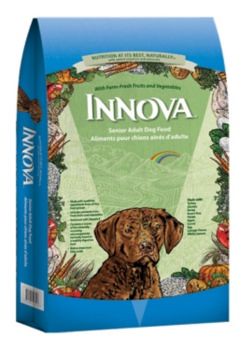
PETCO is sponsoring the Healthy 5 Sweepstakes where the Grand Prize winner will receive one $5,000 American Express Gift Card, one $500 PETCO Gift Card and one 1-year supply of Innova Natural Pet Food.

Petco Healthy 5 Sweepstakes


They are also offering great second and third place prizes of American Express Gift Cards, PETCO Gift Cards and supplies of Innova Natural Pet Food.

Wonderful prizes that would give us Labrador Retriever owners some extra toys and treats for our Labrador Retrievers (plus a little something for ourselves) and a really good dog food!

For those of you that don't know about Innova, here is further information:

"Innova was the first true holistic health food for pets. Every dog food and treat in their line is made with farm-fresh, natural ingredients from the five food groups to supply optimal nutrition for peak performance at every life stage.

Ingredients like protein-rich chicken, turkey and beef, calcium-packed cottage cheese, and wholesome fruits, vegetables and grains - all providing the essential vitamins and minerals your pet's lifestyle demands. Plus, essential fats and oils are added to improve your dog's skin and coat while reducing allergies and improving his immune system.

Innova Dog Food


No other pet food supplies so much natural nutrition in a pet food your dog will actually eat – and enjoy!"

The PETCO Healthy 5 Sweepstakes is open to residents of the USA and ends May 27, 2011 (11:59pm PDT).

Good luck to all!!

Technorati Tags:

Continue Reading...

Tuesday, May 03, 2011

Traveling With Four Legged Passengers

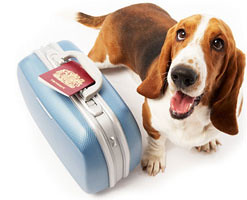
Whether you’re gearing up for a family vacation or making a move, traveling with your dog can be both fun and challenging. It definitely isn’t the easiest thing in the world to do, but with a little planning and forethought, you can make the trip exciting and fun for you both!


Traveling by car

Just like traveling with kids, you’re going to have to stop for plenty of bathroom breaks. Make sure you have a leash in easy reach, as you won’t always be lucky enough to stop right next to a fenced park. A brisk walk, game of fetch, or just some plain old running around will help them stretch their legs and get rid of any built-up energy. Bring collapsible bowls for both food and water. Also ensure that you take along a lot of dog waste bags so you’re able to clean up after them at each rest stop or in case your stops don’t have designated pet waste stations.

Traveling by plane

First and foremost, check with your airline to familiarize yourself with their pet travel policies. Small dogs (under 15 pounds) may be allowed to travel crated in the cabin, but any dog over 15 pounds will be in the cargo area. Your furry flight companion’s crate should be sturdy, well padded, ventilated on three sides and large enough for them to turn around in. If you choose to sedate the dog, be sure to consult your veterinarian. Do not feed your dog for six hours prior to the flight, but provide water in an attachable dish in the crate. Direct flights at off-peak hours are ideal, as take-off and landing only occur once and airline staff will have more time to properly care for your dog.

Staying in Hotels


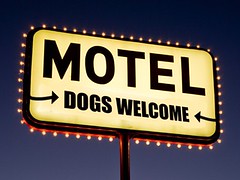
When staying at a pet-friendly hotel, a little bit of home goes a long way to making your dog more comfortable. Bring their favorite blanket, usual food and water bowls and a few toys. You may want to bring a throw or blanket to protect the hotel’s bedding from muddy or dirty paws if your dog sleeps in the bed. If they are crated at home, it is a good idea to crate them in the hotel room as well. Finally, turning the television on at a low volume while you are gone can help discourage barking, as it covers background noise.

Most importantly, remember that dogs can feel most uncomfortable when their routine is broken, or when they don’t know what’s coming next so the very best thing you can do for them is to have patience and give them lots of love!

Thanks goes out to Kristina for this guest post!!!

Technorati Tags:

Continue Reading...

Friday, April 29, 2011

Free Sample of Purina Pro Plan Roasted Slices Dog Treats

Purina Pro Plan is offering free samples of their Roasted Slices Dog Treats over on their Facebook page.

"This January, Purina® Carvers® became Pro Plan® Roasted Slices, made with more than 80% real chicken, accented with natural seasoning and oven-roasted to bring out their real flavor and aroma. Roasted Slices is formulated without corn, wheat, artificial colors or flavors creating a snack that gives you another opportunity to Do More™."

Visit the Purina Pro Plan Facebook page to request your coupon for a free sample of Purina Pro Plan Roasted Slices Dog Treats

Technorati Tags:

Continue Reading...

Monday, April 25, 2011

Free Nature’s Select Dog Food Sample

A free dog food sample form Nature's Select.

About Nature’s select:

"A Natural Pet Food Company... In 1994 our family started Nature’s Select Pet Foods with a simple idea - to deliver to your door some of the freshest and finest natural pet foods at a price to fit your budget.

With this promise, we started by selecting only fresh natural premium ingredients like whole meats, whole grains and natural preservatives. Then we added the convenience of free home delivery, 100% money back guarantee and our personal commitment to be there to answer your questions and share dog stories."

The free sample of Nature’s Select Dog Food is available to select locations in the USA, one per household.

Technorati Tags:

Continue Reading...

Sunday, April 24, 2011

Organic Dog Food and Treats - Why You Should Make the Switch

Most dog food and treats on the market are loaded with chemicals, questionable meats and low quality ingredients. If you wouldn't eat food of this quality, why would you feed it to your dog? Dogs (and people) who mostly eat a diet filled with chemicals often experience many illnesses, allergies, skin problems, and tend to live shorter lives. Switching to an organic diet can greatly improve the health of you and your dog.

In this article, we are going to discuss a few of the reasons to avoid typical, mass-produced dog food and treats, reasons to switch to organic food, and suggestions on how to implement changes in your dog's diet.

Why avoid the typical dog food diet

Have you ever considered what goes into your dog's treats and food? Take a look at the labels. What do you see there -- animal byproducts, some form of sugar, food coloring, preservatives that you can't begin to pronounce? What exactly is animal byproduct? Icky! Does your dog really need sugar? Why is the food coloring in there? Your dog doesn't care if his food is red, blue or brown. Most mass-produced dog food and treats are filled with chemicals, weird mystery meats, and stuff that leads to chronic diseases.

These are some of the most important ingredients to avoid in dog food (Or people food!):

* chemical additives
* chemical fertilizer
* fillers like wheat or corn
* chemical preservatives
* artificial colorings
* animal byproducts
* if you can't pronounce it, it shouldn't be there

Why switch to organic food

A natural diet, filled with quality, organic dog food and healthy treats can tremendously improve the general health and well-being of your dog. Here are just a few of the great benefits you might see:

Increased energy
Less digestive issues
Proper weight maintenance
Reduction in skin issues and allergies
A stronger immune system
Increased life expectancy

Making the change to an organic diet

Making the switch to an organic diet can be easy. Begin by reading labels. Look for the organic label. If organic is cost prohibitive, look for natural brands that don't contain any of the above listed ingredients. Keep in mind, the word natural on the front of the bag or box does not mean anything. You always need to read the label.

Where can you find organic products? If you're lucky, your local supermarket might carry a few organic brands. Most cities and towns have dedicated pet food stores, stocked full of organic options for every budget. The staff in these stores are usually exceedingly knowledgeable and resourceful in helping you pick the right food for your dog. If you live in a rural area, feed stores often carry quality pet food products. You can shop online as well. Shipping prices for big bags of dog food are pretty spendy, but many online retailers will ship yummy, organic dog treats for free or cheap. If you're really ambitious, you can make your own dog food. There are lots of great websites with recipes and suggestions!

Make the switch slowly. If your dog is used to a chemical filled diet, he may go through a detox period. This can cause him to feel ill, as the toxins flush out of his system. In extreme cases, nausea, diarrhea, and passing worms may occur. By changing the food very slowly, you can minimize his discomfort. Try adding just 25% of the new food to each meal for a week, then increase to 50% for the next week, and so on. If your dog does become ill, be sure to contact your veterinarian right away.

Here are a few suggestions for extremely healthy, quick, natural treats:

* Many dogs love carrots. Keep a bag in the fridge for you and Fido to munch on.

* Broccoli is another super healthy treat.

* Natural nut butters are great for dogs. They are full of beneficial fats that are great for their skin and coats.

* Small pieces of apples are tasty and healthy.

* Before you try a new vegetable or fruit for your dog, be sure to do a bit of research to make sure they are safe. For example, onions and grapes are both toxic to canines.

I hope you've been encouraged to consider making the switch to organic dog treats and food. Your four-legged friend will thank you!

Visit http://www.squidoo.com/dogs-gone-organic for great shopping resources, recipes and suggestions.

Julie Coburn is passionate about helping you and your pets live vibrant and healthy lives!


Technorati Tags:

Continue Reading...

Tuesday, April 19, 2011

Two Free Cans of Halo Spot's Stew

Halo is offering two free cans of their Spot's Stew dog food when you sign up for their e-mail newsletter.

Information about Halo:

"Real food with simple ingredients you know and recognize. Slow cooked complete and balanced recipes. High moisture formulas for added hydration. Holistic Nutrition Made with Only the Best Real Food Ingredients.

Exclusively uses only real chicken, turkey, lamb, beef or wild salmon.

Farm raised fruits, vegetables and whole grains.

Formulated with added vitamins and minerals.

No artificial, flavors or preservatives.

Interchangeable formulas for added variety.

Complete and balanced for all life stages."

Sign up for the Halo e-mail newsletter and you'll receive exclusive offers, pet care information, new product developments and your coupon for Two Free Cans of Halo Spot's Stew

Technorati Tags:

Continue Reading...

Sunday, April 17, 2011

Does Your Pet Have Allergies? What You Need to Know and Do

By Dr. Karen Becker, DVM

Does your pet

Sneeze and cough?
Have swollen paws or inflamed ears?
Have gastrointestinal upset?

It could be that allergies are wreaking havoc on their system.

Just like in people, your healthy pet’s immune system should react to bacteria and viruses by manufacturing antibodies that allow its body to mount an immune response against these unwelcome invaders (pathogens).

Your pet’s immune system also encounters hundreds of particles every day that are not harmful, rather are just part of the natural environment. Under normal circumstances, these substances (ragweed, grasses, pollens, molds, foods, etc.) should be recognized by the body but not be considered foreign invaders.

In the case of pet allergies, however, an over-active immune system processes and interprets common substances as a toxic assault. And when your pet’s body mounts an immune response to common, normally harmless substances, or allergens, allergic symptoms appear.

Food Allergies vs. Environmental Allergies

There are two types of allergic responses that pets can experience: food and environmental. Your companion can be allergic to one type of tree or every outdoor allergen, allergic to only wheat or every starch. Some pets even inherit sensitivities to certain foods and environmental factors, and in these cases often demonstrate allergic symptoms early in life.

For other pets, allergies are acquired over several years of continual exposure to the allergen.

What may your pet be allergic to?

The truth is, animals can react to anything in their environment -- even water is a possibility if it’s contaminated with impurities. Collar and bedding materials (cotton, etc.), cleaning supplies, household chemicals and dust mites are all relatively common household allergens that could cause your pet to have an allergic reaction.

As you’re trying to figure out what allergen is causing your pet a problem, keep in mind that some pets have both food and environmental allergies. If your pet itches during the spring, summer or fall, they are most likely reacting to something they are exposed to at that time. But if your pet continues to have allergic reactions after outdoor allergens have been buried under snow, it points more toward a non-seasonal, or year-round source of allergy, such as food.

That said, if you live in an environment that does not have a hard freeze in the winter, environmental allergens can really build up and cause year-round issues for our companions. Allergy testing can be done to determine what substances your pet is reacting to at that point in time. Allergy panels can yield very different results when conducted over several months, demonstrating that the immune system can over-react to many different substances at varying times of the year.

Why Feeding Your Pet One Food for a Lifetime May be Problematic

I commonly hear people say, “My pet can’t be allergic to her food, she’s been eating it her whole life.”

This is the point, exactly! Food allergies have been shown to occur more in pets that are fed only one food source for a prolonged period of time. Your pet’s immune system can become bombarded with the same allergens for so long that it begins to react negatively to the food source.

The foods most commonly found to be allergenic to dogs and cats are:

Wheat
Corn
Chicken
Beef

Surprising?

Not really, as dogs and cats were never meant to ingest foods containing such high amounts of carbohydrates (the average commercial dog food contains over 50% grains), and were certainly designed to consume more than one protein source over a lifetime!

If you suspect that your pet has a food allergy, a food trial, or allergy elimination diet, can help you figure out which foods are the problem.

Conducting an Allergy Elimination Diet

Once your companion has developed an allergic reaction to a substance, those reactive antigens can circulate in his bloodstream for up to 6 weeks, causing inflammation and irritation.

This means that an allergy elimination diet should last at least six weeks, sometimes longer (I recommend a full 3 months).

During this period, pets must not eat any foods or treats suspected of causing a reaction. A single bite of a problematic food can cause a flare up that lasts several days, so complete elimination is essential for the process to be successful.

After your pet has been given adequate time to clear the allergic substances from his body, new foods can be added slowly back in, as you watch the animal’s response after each food is added. Interestingly, many of the foods that were previously considered allergenic can often be incorporated into the diet once your pet’s body has had ample time to detoxify and clean out cellular debris.

Many holistic vets theorize that it’s not the actual food protein that causes the immune system to react but the chemicals and preservatives included in the foods that cause the problem. Although we can’t say for sure, this would explain why, after making the correct dietary changes, many pets can then consume foods that they were previously allergic to.

Allergy Symptoms Can be Diverse

It’s critical for pet owners to recognize that allergy symptoms are very diverse, and expand beyond the typical itching or sneezing. They include:

Itchy body
Red eyes
Nasal discharge
Oozy skin
Asthm
Coughing and sneezing
Inflamed ears
Swollen paws
Gastrointestinal disease (vomiting, diarrhea, gas, chronic hairball issues, anal gland problems)

What is the Best Treatment?

Because the symptoms of inflammation are produced from the inside out, ointments, shampoos, sprays and dips can only provide temporary relief and although are beneficial to use for improving your pet’s quality of life during a flare up, long-term treatment must focus on balancing your pet’s immune system.

Steroids (also called prednisone, cortisone or the nondescript “allergy shot”) are the least optimal treatment choice, as they work by suppressing your pet’s immune system. Steroids actually turn the immune system off, which improves the symptoms remarkably fast but doesn’t address the root issue of why your pet’s immune system is over-reacting in the first place.

Not only can steroids have a negative effect on your pet’s liver, adrenal glands and kidneys, but suppressing your pet’s immune system with steroids also allows for opportunistic yeast and bacteria to grow on your pet’s skin, sometimes increasing the chances that antibiotics may be prescribed.

Antibiotics increase the likelihood of yeast overgrowth, which causes your pet to:

Smell like a corn chip
Become insanely itchy, which sends you back to the vet for more steroids

Do you see the crazy cycle? The image below does a great job of explaining it further.


As an aside, keep in mind that healthy pets do not smell bad. Yeast exudes a musty smell, and if your pet smells this way he may have a problem with yeast overgrowth. Many people assume their pets should smell this way, but in reality healthy pets should only be bathed with they’re dirty -- not because they’re smelly.

Bathing smelly pets in oatmeal (a grain) shampoo often adds fuel to the fire, requiring the pet to be re-bathed multiple times a week in order for the owners to tolerate the pet’s odor.

Nutrition is the Optimal Solution

The foods you feed your pet will eventually heal or harm. Feeding pets healing, non-allergenic foods allows their immune systems to rest. Rebalancing your pet’s immune system by offering natural, biologically appropriate wholesome foods is necessary to begin the road to recovery. Also remember that the more variety you include in your pet’s diet, the less likely your pet will be to react to the same monotonous foods. Nutritional variety is not only the spice of life, it’s critical for a balanced and healthy immune response -- and for keeping your pet allergy-free.

Dr. Becker is the resident proactive and integrative wellness veterinarian of HealthyPets.Mercola.com. You can learn holistic ways of preventing illness in your pets by subscribing to MercolaHealthyPets.com, an online resource for animal lovers. For more pet care tips, subscribe for FREE to Mercola Healthy Pet Newsletter.


Dog Allergy Help Products:

Pill Pockets for Dogs - Allergy Formula - 6.6 oz - Roasted Duck and Pea - 6.6 oz - Roasted Duck and Pea.

The Dog Allergy Book - This book takes an in-depth look at the most common canine allergies, exposes the symptoms and then provides you with safe and effective household remedies that you can implement immediately without spending hundreds of dollars on vet bills.

The Allergy Solution for Dogs: Natural and Conventional Therapies to Ease Discomfort and Enhance Your Dog's Quality of Life (The Natural Vet)

This post contains affiliate link(s), which may result in compensation for AllAboutLabradors.blogspot.com. For more information about All About Labradors please read our Disclaimer and Disclosure Policies. We've shared this information to inform you of your option to either use our affiliated links or to go directly to the site of interest.
Technorati Tags:

Continue Reading...

Wednesday, April 13, 2011

What size Dog Toy is appropriate for your Labrador Retriever?

In our last post we talked about Dog Toys and your Labrador Retriever and stressed the importance of our responsibility as Labrador Retriever owner’s to provide appropriate chew toys and play toys so we can steer our lovable Labradors in the right direction.

In the next part of this series, Elise McMahon of Canine Head Start will discuss what size toy is appropriate for your dog. She talks about toys for small and large dogs and of course we all know that we will be looking for the large size for our Labradors.

Large & Small Dog Toys by Elise McMahon:


Important tips:

You always want to buy a dog toy much larger than the size of your dog. You want to make sure the toy you are giving your Labrador Retriever is appropriate for them in size.

When a toy gets too small or starts losing pieces, you want to throw it out! We stress this all the time on the All About Labradors blog. You don’t want to give your Labrador Retriever anything that they could fully ingested without chewing, which can cause problems with that item being stuck in their mouth, throat or in their digestive system.


This post contains affiliate link(s), which may result in compensation for AllAboutLabradors.blogspot.com. For more information about All About Labradors please read our Disclaimer and Disclosure Policies. We've shared this information to inform you of your option to either use our affiliated links or to go directly to the site of interest.

Technorati Tags:

Continue Reading...

Monday, April 11, 2011

Free Purina Pet Gear Training Pad

Walmart and Purina are offering Free Purina Pet Gear Training Pad when you buy and size Purina Puppy Chow brand puppy food.

To get your Free Purina Pet Gear Training Pad click on the second bubble over the scrolling images and you will see the offer. Then click "Get the Pad" and enter your UPC code or use the following UPC: 40989

These won't last long so don't delay. The Free Purina Pet Gear Training Pads are limited to one sample per household and are only available to consumers in the United States.

Technorati Tags:

Continue Reading...

Sunday, April 10, 2011

Free Innova Dog or Cat Food (4/11/11 at 12 AM EST)

Each week form 4/4/11 through 5/22/11 you have the chance to get a coupon for free Innova dog or cat food or treats in the Win A Year’s Supply Of Innova® Pet Food Sweepstakes.

For the week of 4/11/11 - 4/17/11, if you're one of the first 2000 to enter, you'll get a coupon for a free can of Innova® wet dog or cat food.

About Innova: "Innova was the first true holistic health food for pets. Every dog food, cat food and pet treat in our line is made with farm-fresh, natural ingredients from the five food groups to supply optimal nutrition for peak performance at every life stage.

No other pet food supplies so much natural nutrition in a pet food your dog or cat will actually eat – and enjoy!"

When you enter the sweepstakes you will also have the chance to win a years supply of Innova® Dog or Cat Food!

Your chance to get your coupon for Free Innova Dog or Cat Food starts on 4/11/11 at 12 AM EST and is available to residents of the USA and Canada.

We will post weekly reminders on All About Labradors to let you know each starting weekly date.

Technorati Tags:

Continue Reading...

Saturday, April 09, 2011

Dog Toys and your Labrador Retriever

What can my Labrador Retriever chew on?

Should I give my Labrador Retriever dog toys?

What kind of dog toys should I give my Labrador Retriever?

Why Are Dog Toys Important?

Many of these questions are e-mailed to us here on All About Labradors. In the following video series, Elise McMahon of Canine Head Start, provides wonderful information on all kinds of questions you could have about dog toys.

In this first video, Elise stresses the importance of toys for our Labrador Retrievers. She talks about our responsibility as dog owner’s to provide appropriate chew toys and play toys so we can steer our lovable Labradors in the right direction.

Why are Dog Toys Important by Elise McMahon:


This post contains affiliate link(s), which may result in compensation for AllAboutLabradors.blogspot.com. For more information about All About Labradors please read our Disclaimer and Disclosure Policies. We've shared this information to inform you of your option to either use our affiliated links or to go directly to the site of interest.

Technorati Tags:

Continue Reading...

Wednesday, April 06, 2011

Free Sample of Mixables Dog Food

Over on the Variety Pet Foods Facebook page they are offering a free sample of Mixables dog food.

"Mixables is the original wet dog food specifically designed to mix with any dry dog food. All Mixables recipes come in easy-to-use, single-serving pouches. Simply grab a pouch, tear off the top and pour it on your dog’s favorite dry food. Then sit back and watch them enjoy a great tasting meal every day. They’ll Love You For It!"

To get your Free Sample of Mixables Dog Food you have to "Like" Variety Pet Foods on Facebook. Only available to the first 2,500 people so you have to hurry.

Click on "Get Mixables" in the left hand sidebar to request your free sample.

Technorati Tags:

Continue Reading...

Tuesday, April 05, 2011

Labrador Retriever Keeps Missing Missing Boy Safe and Alive

Credit goes out to a loyal family Labrador Retriever, who helped save the life of a missing South Carolina toddler.

According to reports, on Friday night, Tyler Jacobson, a 22-month-old toddler, dressed in only a T-shirt and diaper, had wandered off into the woods surrounding his South Carolina home.


After being reported missing by his mother, police searched the area on foot and with an infrared-equipped helicopter but had no luck. Police decided to call off the search until the next morning due to high winds and the darkness.

Shortly after the morning search began, a neighbor reported hearing crying from the woods about a quarter-mile from the family's home. Police found an uninjured Tyler huddled up with his loyal Labrador Retriever, Skyler.

Police state that the Labrador Retriever apparently kept watch over the boy throughout the night, as temperatures dropped down into the 40s. Kershaw County Sheriff Jim Matthews has stated that "I believe that the dog being with him is what kept him alive".


Technorati Tags:

Continue Reading...

Sunday, April 03, 2011

Labrador Retriever Video of the Week

Remember this commercial? I don't recall the year of this funny commercial but I do remember how I use to laugh when I saw it.

Got milk? Watch as this lovable yellow Labrador Retriever licks away after having some peanut butter.


Thank you to Nick for finding this video again and e-mailing it to us!

Technorati Tags:

Continue Reading...

Blog Archive

dog videos, cat videos, puppy videos, kitten videos, pet videos

Followers

Syndication

  © Blogger templates The Professional Template by Ourblogtemplates.com 2008

Back to TOP